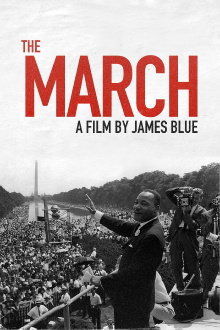
The March, also known as The March to Washington, is a 1964 documentary film by James Blue about the 1963 civil rights March on Washington. It was made for the Motion Picture Service unit of the United States Information Agency for use outside the United States – the 1948 Smith-Mundt Act prevented USIA films from being shown domestically without a special act of Congress. In 1990 Congress authorized these films to be shown in the U.S. twelve years after their initial release. In 2008, the film was selected for preservation in the United States National Film Registry by the Library of Congress as being "culturally, historically, or aesthetically significant". (Wikipedia)
Highlights aspects of food handling which are the personal responsibility of the food handler. Discusses the sources of potentially hazardous bacteria and the various means by which these bacteria may be transferred to food.
The history and art of ikebana, a centuries old Japanese art of flower arrangement and a look inside the Sogetsu School of Ikebana, where the director's father Sofu Teshigahara worked as the grand master of the school.
What does it mean to be goth—to be an outsider, to live both on the margins and in the midst of society? Filmmakers Jordan Hemingway and Alban Adam prize open the coffin on a world of darkness and light, exploring its multiplicities and intersections with subcultures and the ever-present experience of queerness.
An intimate look at cinematographic creation, this visual essay shares with us secrets of the legendary Canadian animator Norman Mclaren and his personal view of filmmaking.
At his cinema in Rome, the Nuovo Sacher, Nanni Moretti anxiously oversees preparations for the premiere of the film Close-up, by Iranian director Abbas Kiarostami.
Originally made as an ad for reindeer meat but includes notable documentary material from Lapland. A young couple from Helsinki goes to a restaurant and gets to know reindeer meat.
Alternative movies trailers for The March
More movie trailers, teasers, and clips from The March:
The March on Washington Trailer 1
The March full hd movie trailer.
THE MARCH OF HOPE | Trailer
Trailer to the forthcoming documentary exploring the lives of refugees in Europe. Release September 2017. For more info:
Popular movie trailers from 1964
These some of the most viewed trailers for movies released in 1964:
In this romantic drama, a plain, lonely secretary wins three dance lessons. Her handsome instructor tells her that she is quite talented and cons her into signing a long-term contract.
Prospective hotel owner Carlos is having problems with the completion of his hotel on the Adriatic. He quickly asks his niece Vivi in Germany to cancel the bookings he has made so far.
An outdated fireclay factory is due to close, but its long-time employees can't imagine stopping what has fed them all their lives and what they do best.
Whips was one of the films mentioned in a half page ad in the April 7, 1966 issue of the Village Voice, advertising The Exploding Plastic Inevitable show at the Dom.
Comments
Have you watched The March yet? What did you think about it?