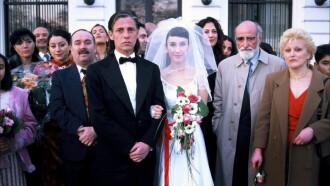
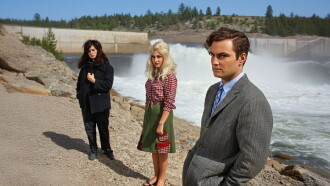
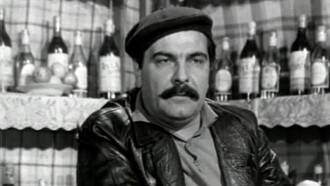
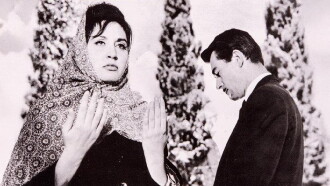
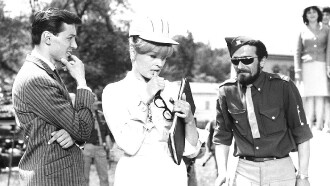
Ayhan is orphaned at a young age. With the help of Hulusi Pasha, for whom his father worked as a servant, he continues his education. After completing his education and becoming an engineer, Ayhan wants to marry Selma, who grew up with him. Meanwhile, Selim becomes engaged to Filiz, the Pasha's daughter, in order to take advantage of her wealth. Some time later, Hulusi Pasha reveals to Ayhan and Selim that he has gone bankrupt. Upon hearing this, Selim breaks off the engagement, but Filiz is already pregnant. Upon learning of the situation, Hulusi Pasha suffers a heart attack and seeks to use Ayhan to save himself from this predicament.
With the intention to break free from the strict familial restrictions, a suicidal young woman sets up a marriage of convenience with a forty-year-old addict, an act that will lead to an outburst of envious love.
One day, Murat, a firefighter from Kadırga, goes to put out a fire at a mansion. Hilmi Pasha's daughter, Müjgân, sees Murat and falls in love with him.
The film is the story of girl Cveta who was abducted by the Ottoman bey and taken away in his harem. Bey is trying to embrace Islam, but its persistence, and its neighbors led beloved Spasa, and beloved local priest, assisted by diplomats of the great powers manage to free themselves.
This is the story of a young man who rebels against the Agha class in the east side of Turkey. The story ends with the death of the young man, who remains in the little girl he left an orphan and the young widow who is passionately in love with him.
Popular movie trailers from 1965
These some of the most viewed trailers for movies released in 1965:
Kidnapped and rescued by a Ninja, Fujimaru has mastered martial arts over the years. Now he sets off on a journey to find his mother and also locate an old tome containing secret martial arts techniques.
The BBC's 1965 adaptation of E.M. Forster's novel, screened as part of their Play of the Month strand, adapted by Santha Ramu Rau and John Maynard, and directed by Waris Hussein.
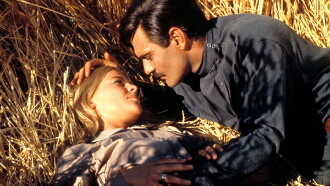
The life of a Russian physician and poet who, although married to another, falls in love with a political activist's wife and experiences hardship during World War I and then the October Revolution.
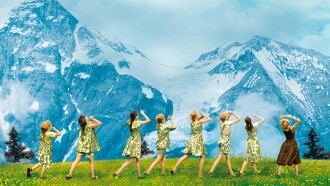
In the years before World War II, a tomboyish postulant at an Austrian abbey is hired as a governess in the home of a widowed naval captain with seven children and brings a new love of life and music into the home.
High school students experience the everyday worries of their age - they prepare for their high school graduation, go on a production internship at an engineering plant, and compete for a ski trip to the Krkonoše Mountains.