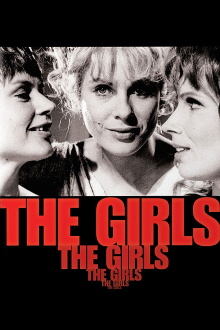
As they tour Sweden in a theatrical production of "Lysistrata", performing to often uncomprehending audiences, three women find their own lives and marriages mirrored in Aristophanes’s play. Soon, onstage drama, offstage reality, and surrealist fantasies begin to collide.
Frustrated by scrolling dating apps only to end up on lame, tedious dates, Noa takes a chance by giving her number to the awkwardly charming Steve after a produce-section meet-cute at the grocery store.
The inspiring true story of Richard Montañez, the Frito Lay janitor who channeled his Mexican American heritage and upbringing to turn the iconic Flamin' Hot Cheetos into a snack that disrupted the food industry and became a global pop culture phenomenon.
A teenage mother is forced to give up her baby for adoption and, 19 years later, when she tries to contact her son, she learns that he died, under questionable circumstances when he was three years old.
Residents of a big city, each of whom has their own sexual problems and desires, secret and, most often, shameful from the point of view of society, need to solve them.
A triangle: love, obsession, and choice. Pierre, a ladies' man who has little cash and no fixed residence, describes his best friend Benoît as the world's oldest 32-year-old.
German family Schroeder is spending their Christmas holidays on the Thai island, Phuket. Of all the things, deep within the sleazy tourist bars and alleys of Patong, the youngest son Felix falls in love with a gorgeous Thai girl Fai who in return appears to mutually attracted to him.
Alex bolts from her stifling home to ride with a band of inline street skaters. Bouncing around New York City with nothing other than skates and a camcorder, escape comes easy at first.
Quirky young art teacher Jemima takes up a £100,00 bet to ride through the town naked on horseback like Lady Godiva to keep her beloved Art Factory open.
Desperate for a breakthrough as she nears the big 4-0, struggling New York City playwright Radha finds inspiration by reinventing herself as a rapper.
Alternative movies trailers for The Girls
More movie trailers, teasers, and clips from The Girls:
Watch the new trailer for The Girls(1968) - Revolt She Said
Watch the new trailer for Mai Zetterling's riotous feature The Girls (1968) playing across the UK as part of Revolt She Said. Revolt She Said: Women and Film ...
Popular movie trailers from 1968
These some of the most viewed trailers for movies released in 1968:
"In my film I suggest that there is no greater mystery than that of the protagonists. War and Love are simply equated for what they are; the aftermath is inevitable, and a normal human condition, for which like the ancients one can only have pity and understanding.
The Three Kingdoms period begins as the walled fortress of Hsin Yang falls to invaders. Centered around this historical event, The Last Days of Hsin Yang follows the escape of the prince of Hsin Yang as he hides with a small family and escapes from the sacked and burning city.