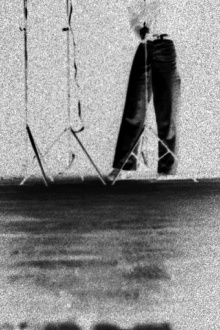
Bringing Lights Forward describes the film set through the manipulation of lights on stands. A woman is seen placing three lamp stands at the center, left, and right of the screen and then moving them gradually into the foreground - the surface of the screen- in several distinct stages. As she makes a move she turns the lights on and off. Finally she clusters the three stands at the center of the screen but in such a way that the lamps themselves, the light source for the film, are cut off by the top of the frame yet still illuminating the screen. The woman walks off-screen once she has completed this action. The placement and movement of the lamp stands and the use of negative in this film serve as a literal demonstration of the way in which light affects the perceptual quality of the film image.
A charming psychopath tries to coerce a tennis star into his theory that two strangers can commit the perfect crime by exchanging murders—each killing the other’s most-hated person.
A mother's jealousy, of her daughter's relationship with the father, becomes abusively hateful after the young girl accidentally causes the death of her father.
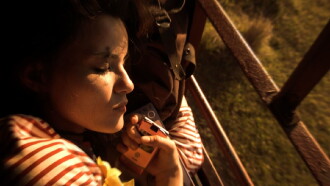
Alicia, a circus clown, dreams of being an actress. When the circus arrives in a remote village she meets Abelito, a boy with a skin disorder that prevents him from going out in the sun.
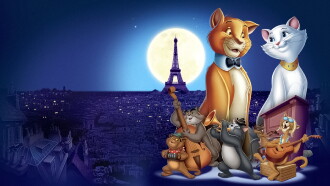
When Madame Adelaide Bonfamille leaves her fortune to Duchess and her children—Bonfamille’s beloved family of cats—the butler plots to steal the money and kidnaps the legatees, leaving them out on a country road.
When a wandering mercenary named Hogan rescues a nun called Sister Sara from the unwanted attentions of a band of rogues on the Mexican plains, he has no idea what he has let himself in for.
Fred Midway may be a bit short on brains, but he's got plenty of ambition. However, before he can gain promotion as a salesman, he must make his family more socially acceptable.
Follows contemporary American poet James Dickey on a three week lecture tour. Reveals the actual thoughts and feelings of the poet through his conversations and poetry readings.
Comments
Have you watched Bringing Lights Forward yet? What did you think about it?