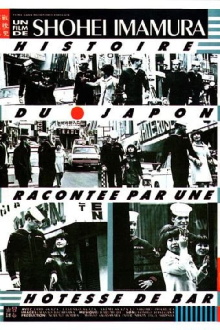
Postwar Japan as it is described by Etsuko, the manager of a bar catering to foreigners in Yokosuka. The way of life of a woman brimming with vitality, who skipped the countryside right after the war and, with her womanhood as a weapon, lived through atomic bombings, black markets, prostitution aimed at American soldiers and the Korean War. Inserting newsreels, Shohei Imamura depicts the history of twenty-five years in the Japanese postwar by way of the female body. (doclisboa)
After the atomic obliteration of Hiroshima and Nagasaki, over 36,000 Australian men and women, part of the British Commonwealth Occupation Force (BCOF), marched onto Japanese soil.
Admiral Isoroku Yamamoto (1884-1943) was the Japanese Naval commander who was given the order to attack Pearl Harbour, an order he was duty bound to obey which went against his own personal beliefs.
The Americans are swiftly closing on Okinawa, an island just south of the Japanese mainland. The Imperial command sends top generals and several army divisions to defend it at all costs.
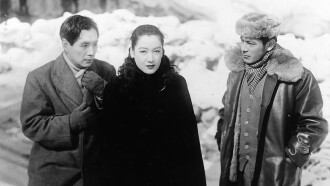
A gentle, war-shattered ex-soldier, Kinji Kameda, arrives in wintry Hokkaidō and is pulled into a volatile tangle of love and pity between the disgraced Taeko Nasu, the proud Ayako, and his possessive friend Akama.
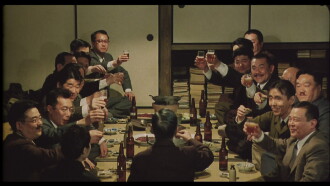
In postwar Tokyo, beloved writer-professor Hyakken Uchida retires and is buoyed through hardship by the fierce devotion of his former students, who honor him each year with a raucous “Not yet!” birthday toast.
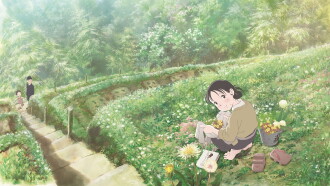
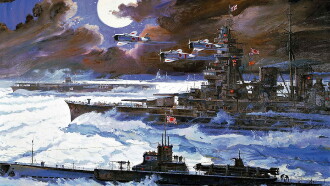
Just 80 years ago, the peaceful sea was a battlefield. Soldiers continued to fight, dreaming of returning home, and their families continued to pray and wait for their safety.
"BLOW THE NIGHT!" Let's Spend the Night Together is a 1983 Japanese docu-drama shot on 16mm film starring actual Yanki gang members as many of the main characters.
Follows contemporary American poet James Dickey on a three week lecture tour. Reveals the actual thoughts and feelings of the poet through his conversations and poetry readings.
At least forty films have been made about the Living Theatre; it remained to the American underground filmmaker Sheldon Rochlin (previously responsible for the marvellous Vali) to make the 'definitive' film about one of the most famous of their works, Paradise Now, shot in Brussels and at the Berlin Sportpalast.
When Madame Adelaide Bonfamille leaves her fortune to Duchess and her children—Bonfamille’s beloved family of cats—the butler plots to steal the money and kidnaps the legatees, leaving them out on a country road.
A homage to nature and a plea for a careful approach to it. In one of his early films, Jon Jost shows impressions of a stream in the forest and a couple streaming through the forest: direct looks into the camera, cross-fades, multiple exposures, playing with sunlight, shadows and shapes.