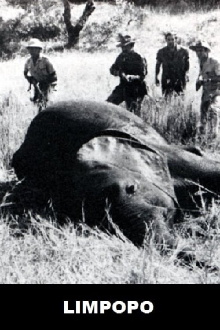
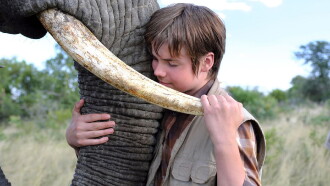
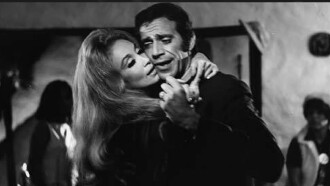
Limpopo, dating from 1970, directed and produced by Jorge de Sousa, is a story about safaris where the protagonist was a rich industrialist from Porto. It was filmed in Lourenço Marques, in the Limpopo colony and the Maputo elephant reserve.
Corporate billionaire Edward Cole and working class mechanic Carter Chambers are worlds apart. At a crossroads in their lives, they share a hospital room and discover they have two things in common: a desire to spend the time they have left doing everything they ever wanted to do and an unrealized need to come to terms with who they are.
Eliza and Debbie are two sisters who don't always get along. But their relationship is put to the test when Debbie's life is in danger, and Eliza might have to give up her power to talk to animals.
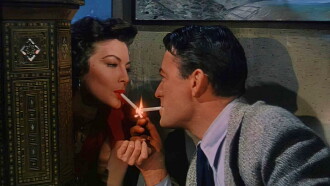
Renowned filmmaker John Wilson travels to Africa to direct a new movie, but constantly leaves to hunt elephants and other game, to the dismay of his cast and crew.
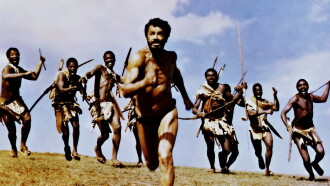
A group of men are on safari. One of the party refuses to give a gift to a tribe they encounter. The tribe is offended, seizes the party, and one-by-one, kills all but one of the safari members in various creative and horrifying ways.
An American web designer inherits an animal reserve in South Africa. A no-nonsense ranger takes her on a safari in hopes that she will fall in love with the land, the animals and him.
Two sisters, Hanifah and Latifah/Ipah have different attitudes toward life in Jakarta. While Hanifah is content working as a teacher, Ipah, who works as a shopkeeper, is obsessed with living a high life.
When Madame Adelaide Bonfamille leaves her fortune to Duchess and her children—Bonfamille’s beloved family of cats—the butler plots to steal the money and kidnaps the legatees, leaving them out on a country road.