"New tasks are emerging for filmmakers on behalf of the labour movement" – this early work by Gisela Tuchtenhagen, Wochenschau 4, was produced as a collective effort within the highly politicised DFFB (German Film and Television Academy, Berlin). It not only documents the "Hot Autumn"– the strike movement in Italy in 1969/1970 – but is itself a contribution to the "campaign for counter-information" to reporting on middle-class radio and television.
At least forty films have been made about the Living Theatre; it remained to the American underground filmmaker Sheldon Rochlin (previously responsible for the marvellous Vali) to make the 'definitive' film about one of the most famous of their works, Paradise Now, shot in Brussels and at the Berlin Sportpalast.
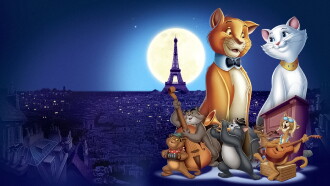
When Madame Adelaide Bonfamille leaves her fortune to Duchess and her children—Bonfamille’s beloved family of cats—the butler plots to steal the money and kidnaps the legatees, leaving them out on a country road.
Film-Am Edgar falls in love with Vilma. The two had a set back that ended with Edgar returning all Vilma’s love letters that he regreted and wanted it back.
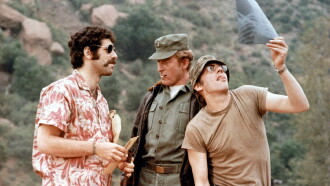
One of the world's most acclaimed comedies, M*A*S*H focuses on three Korean War Army surgeons brilliantly brought to life by Donald Sutherland, Tom Skerritt and Elliott Gould.
Follows contemporary American poet James Dickey on a three week lecture tour. Reveals the actual thoughts and feelings of the poet through his conversations and poetry readings.
Have you watched Wochenschau: Im Auftrag der Arbeiterbewegung. Gegeninformation im heißen Herbst aus Betrieben in Italien yet? What did you think about it?