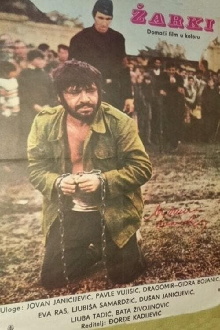
In Vojvodina during the war, a partisan commander Zarki fell into the hands of the local Germans. They bound him in chains and take him from one village to another, torturing him in public so he could tell the names from his movement. Bewildered by his resisting power, the Germans tend to break him down and destroy the pride which is his answer to their torture. Frenzied of powerlessness, they ultimately choose the most horrifying death - they buried him alive in the sand that will cover the last trait of him, but he died victorious: He died for his thing.
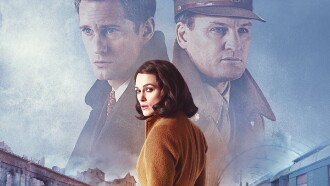
In the aftermath of World War II, a British colonel and his wife are assigned to live in Hamburg during the post-war reconstruction, but tensions arise with the German widower who lives with them.
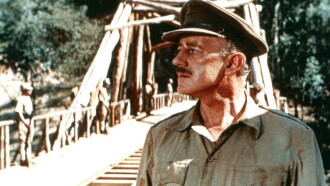
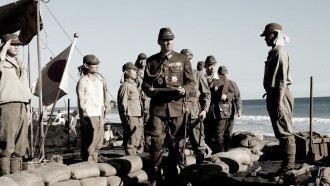
The story of the battle of Iwo Jima between the United States and Imperial Japan during World War II, as told from the perspective of the Japanese who fought it.
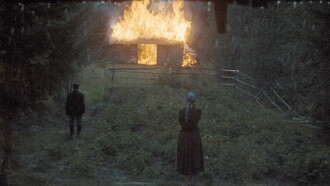
A dying man in his forties recalls his childhood, his mother, the war and personal moments that tell of and juxtapose pivotal moments in Soviet history with daily life.
Popular movie trailers from 1970
These some of the most viewed trailers for movies released in 1970:
At least forty films have been made about the Living Theatre; it remained to the American underground filmmaker Sheldon Rochlin (previously responsible for the marvellous Vali) to make the 'definitive' film about one of the most famous of their works, Paradise Now, shot in Brussels and at the Berlin Sportpalast.
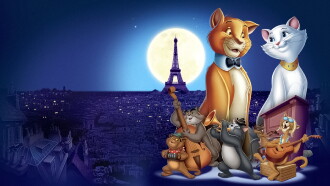
When Madame Adelaide Bonfamille leaves her fortune to Duchess and her children—Bonfamille’s beloved family of cats—the butler plots to steal the money and kidnaps the legatees, leaving them out on a country road.
The world is divided into factions, on opposite sides of issues; each side is, of course, right. And so the gap between the people grows, until someone challenges the absolutist view of what's "right.
Comments
Have you watched Zarki yet? What did you think about it?