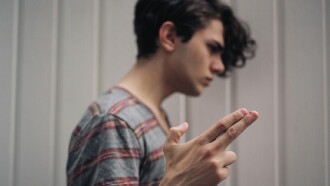
An experimental and humorous rainy day romp involving director Wakefield Poole's beloved Warhol Marilyns, his boyfriend Peter Fisk, Julia Child and the kitchen sink (literally and figuratively). The film creates whimsy by incorporating household film footage, pop culture references from TV, and Poole's eclectic and sometimes campy use of music.
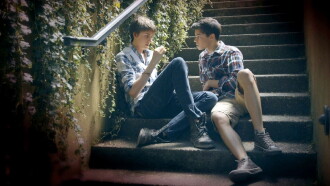
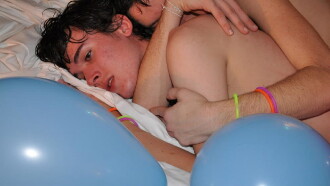
A popular high school hunk Johnny takes a late-night dip with cute loner Ben. Fifteen years later, these two men — who haven’t seen each other since a late-night tryst in high school — bump into each other unexpectedly.
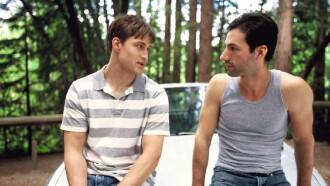
Both original and incredibly romantic, Redwoods tells the story of an already-partnered man whose love is tested when a mysterious drifter passes through his small Northern California town.
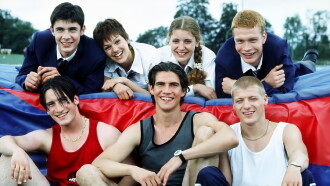
Six high school students, Will, Charlie, Bartok, Todd, Stevie and Linda, are handed invitations to a party by the school’s mysterious and enigmatic new student, Saddler.
In this meditation on contemporary race relations, two black men discuss in voiceover certain “casual” events in life and cinema that are unnoticed or discounted by whites—gestures, hesitations, stares, off-the-cuff remarks, jokes—details of an ideology of repressed racism.
A neurosurgeon with a cheating wife takes an amnesiac into his home and conditions him to believe that the cheating wife is his own and to take the "appropriate" action.
This period compilation of documentaries shot with a Portapak camera from the early era of video experimentation offers an immediate view of the independent New York art scene (concerts and theater perfomances on the streets and in the clubs of downtown).