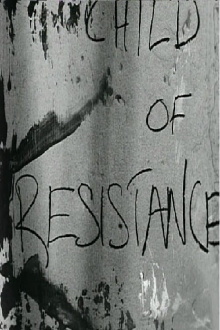
A woman dressed in a robe, hands bound, is being transported through a barroom into a jail cell, directly outside of which later appears a jury box filled with jurors. Linearity is rejected as space is treated poetically, following the coordinates of a propulsive social idea - the social imprisonment of black women.
After a dreadful incident coupled with an ungovernable paroxysm of violence, a butcher will fall into a downward spiral that will burn to the ground whatever dignity still remained in him.
8 year old Joe has a Birthday he will never forget. After friends bully him, he sneaks off to the sick bay, wishing everyone in the world would go away.
The end of the 80s, a village in the middle of Finland. 15-year-old Hevari, the only long-haired boy in town, is the coolest guy in the world - at least according to Kake from next door.
Mila, a 12-year-old rebellious girl has a secret crush on her 40 year old neighbour and coach, Sam. When Mila finds out that he's moving away to Italy for at least a year, she conceives the plan to go with him.
This film is the pearl of his pioneer work in Madeira Island and captures the most of his methodology: good stories taking the most of Madeira's natural scenery, and provoking the audience with some ironic and "double-sense" scenes.
Some Boys Don't Leave is the story of what happens when the break-up happens but the break does not. 'Boy' is forced to come to terms with the fact that 'Girl' no longer wants him around.
Alternative movies trailers for Child of Resistance
More movie trailers, teasers, and clips from Child of Resistance:
Blaxploitation Clip: Child of Resistance (1973 Directed by Haile Gerima)
Inspired by a dream director Haile Gerima had after seeing Angela Davis handcuffed on television ...
Popular movie trailers from 1973
These some of the most viewed trailers for movies released in 1973:
In 1913, in Oklahoma, oil derrick owner Lena Doyle, aided by her father and a hobo, is stubbornly drilling for oil despite the pressure from major oil companies to sell her land.
Two rival street gangs from Kowloon go to war over turf and bar girls so as to dominate the area and maximize their takings; however things go from bad to worse as the girls start to get involved in the bloody feud.
A man befriends a fellow criminal as the two of them begin serving their sentence on a dreadful prison island, which inspires the man to plot his escape.