I'm Going Trailer (1973)
01 January 1973 3 mins
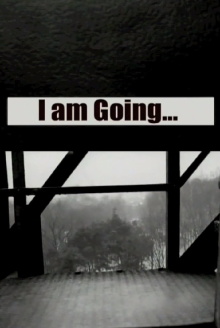
From 'The Workshop of the Film Form'. // In I'm Going Robakowski attempted an iconoclastic representation of the human body. He initiated a situation in which the materiality of film engaged in a dialogue with the materiality of the human body. Over the course of the film, the growing fatigue of the body carrying the film camera can be heard in the artist's voice and increasingly heavy breathing. The effect is that of the artist delving into his own materiality. The subject becomes merely a thing among things, a living fragment of the matter. With their attempt to shift the "film gaze" onto the machine (a non-anthropocentric point of perception of the world), Robakowski's Records most fully illustrate the antivoyeuristic ambitions of structuralist cinema, which aimed to subvert the traditional voyeuristic model.
Watch the official I'm Going 1973 trailer in HD below or find more I'm Going videos on Vidimovie.