Du Cane describes his cinema as “as close as I can get to an immediate transference onto celluloid of my flux-like process in response to being here now, filming.” Sign is a “room film”, shot entirely in what appears to be the filmmaker’s studio: film cans, reels and other cinematographic can sometimes be distinguished amongst the rapid camera movements. Du Cane’s rarely shown films are amongst the most pure and radical of their period. Instinctive yet formal, structured and organic, the physical world is turned into a screen-based labyrinth that is both surface and depth, through the retinal rush of incremental superimpositions and delicate cameral control.
Don Serafin has a complex: to all the beautiful women always seen with a beard. To remove the complex and try to cure him, his friends will lead to Biarritz.
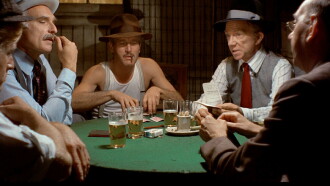
A novice con man teams up with an acknowledged master to avenge the murder of a mutual friend by pulling off the ultimate big con and swindling a fortune from a big-time mobster.
Abel Hradscheck, the owner of an inn in the Oderbruch country, faces financial ruin. For this state of affairs, Ursula, his wife and former actress, is by no means free of blame.
Shanta Dhamle lives a wealthy lifestyle in Bombay along with her dad, Shamrao, and mom, Ansuya. She incurs their displeasure when she falls in love and gets married to a poor and overly sensitive writer, Gopal, who moves in with them, and continues to suffer verbal abuse at Shamrao's hands.
It is 1905. The police director gets Jindrich Legenda (Eduard Cupák) shadowed as, yet Legenda had served his sentence for a burglary, the jewels have not been found.
Two rival street gangs from Kowloon go to war over turf and bar girls so as to dominate the area and maximize their takings; however things go from bad to worse as the girls start to get involved in the bloody feud.