Lynsey Martin’s work includes the use of collage and its erasure, the grain of the photographic image and handpainting and drawing imagery directly on the film surface. Martin deals with the graphic and material elements of the filmstrip, the nature of filmic movement and the nature of photography in public space.
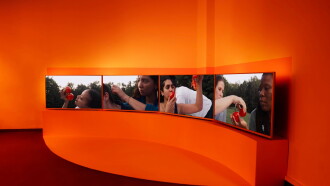
Across the installation's multiple channels, the camera circles a group of artists as they sit together in a field eating, licking, and squeezing ripe tomatoes.
The Lesbian Almanac is a Situationist calendar of dyke objects. This video features 12 paintings from the dyke community, examples of word play and literal interpretation through political claims and personal visions that become a lesbian collective unconscious.
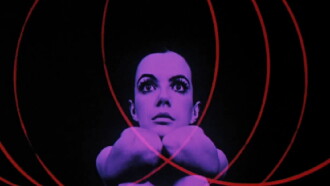
Popular movie trailers from 1973
These some of the most viewed trailers for movies released in 1973:
Sam and Buddy, two highway robbers, join with Colonel Quint, a big crook, who sold his services to Morgan, the banker, in order to free Baby, the banker's daughter, abducted by Espartero and his killers gang.
The innkeeper Barnabáš and the teacher Isidor Slovíčko succumb to the lure of old Moreles, to whom the young Taussig sends enthusiastic letters from America.
Don Serafin has a complex: to all the beautiful women always seen with a beard. To remove the complex and try to cure him, his friends will lead to Biarritz.
A man befriends a fellow criminal as the two of them begin serving their sentence on a dreadful prison island, which inspires the man to plot his escape.