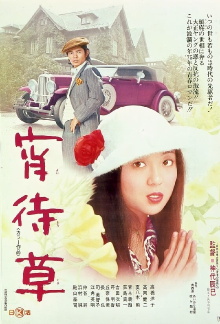
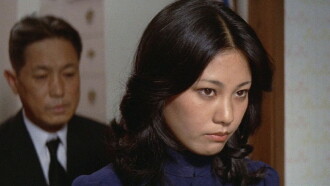
The Taisho era was a time of turbulence in Japan. From new marks of modernity to full-blown riots, a sense of revolution filled the air. The Dam Dam Group is a small anarchist organization lead by Daijiro, a silver tongued "Benshi", a performer who provides narratives for silent films, playing multiple roles. In other words, he was a master at the art of deception, a handy talent when it came to 'doing jobs' for his group. His revolutionary ideals attracted many to his squadron, but among them was a young girl who was oblivious to his group's activities. Her name was Shino.
A female highschool teacher must deal with sexual harrassment from her students and being trapped in a love triangle with two men, neither of whom has any interest in marrying her.
It’s coming up to competition time for the pretty office girls of the Kara Cosmetics Company. Kei (Junko Asahina) and her co-workers are preparing their amateur rhythmic gymnastics team for an upcoming competition.
During the Taisho era of 1918, 17-year-old Benio Hanamura thrives on bucking tradition. As a boisterous and quarrelsome tomboy, Miss Hanamura leads a life of kendo and tree-climbing adventure with her best friends Tamaki and Ranmaru.
Two young delinquent girls survive on the streets by selling themselves as high school students. But the local girl gang catches them working their territory and brings them to their boss.
A junior high school student spends his nights hanging out at the disco. At home his parents are more interested in swapping partners with willing couples than spending time with their son.
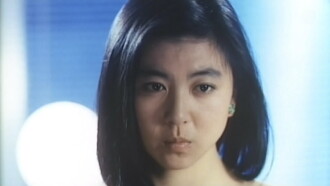
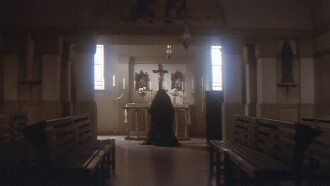
Sisterhood is powerful. Before leaving for a mission in Africa, Runa, a nun, visits her sister three years after entering the convent when her sister stole Runa's boyfriend.
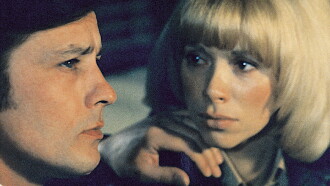
On a beach in Nice, François meets the mysterious Peggy and falls in love with her. Following her to a villa, he meets Marc, a lawyer who has a strange relationship with the girl.
Allied to a four-year Daily Mirror campaign by John Pilger that helped achieve compensation for many of the forgotten and mostly working class victims of the notorious drug prescribed to women during pregnancy.
The actual Viscount Arnau wants to acquire the power and fame that had their ancestors. For this reason decided to hav many children, preferably males, to revive the Empire.
Portrays the challenges of creating a film about nuclear disaster amid public apathy. It captures behind-the-scenes moments as the crew discusses the gravity of nuclear threats, the importance of preparation, and the emotional impact of a nuclear attack.