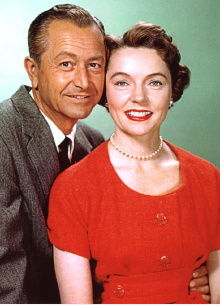
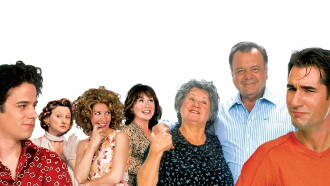
First of two reunion movies starring the original cast of the popular 1950's series "Father Knows Best." Jim and Margaret Anderson invite their children and grandchildren for a visit to celebrate their wedding anniversary.
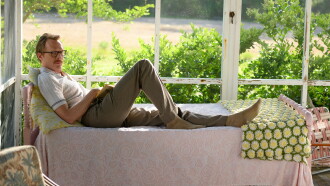
In 1973, when Frank Bledsoe and his 18-year-old niece Beth take a road trip from Manhattan to Creekville, South Carolina for the family patriarch's funeral, they're unexpectedly joined by Frank's lover Walid.
TV child star of the '70s, Dickie Roberts is now 35 and parking cars. Craving to regain the spotlight, he auditions for a role of a normal guy, but the director quickly sees he is anything but normal.
TV MX, the most powerful Mexican Television Corporation, discloses a scandalous story involving Governor Carmelo Vargas in serious crimes and illicit business.
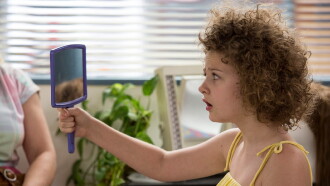
This comedy, set in 1983 in small town Virginia, centers around a 13 year old and her family. The story of a hairstyle gone incredibly wrong and a young girl's plight to fit in while encountering bullies at a new school.
May 10th, 1981. François Mitterrand is elected President of the Republic. The “soviet tanks” supposedly coming upon the Champs-Élysées dressed in red, feared by some, did not march.
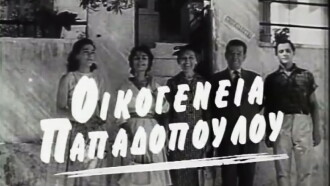
Young Alexis Vranas returns to Athens form studying abroad and starts working for a major company. There, he will meet and fall in love with a secretary, Varvara Papadopoulos.
Popular movie trailers from 1977
These some of the most viewed trailers for movies released in 1977:
Memory Surfaces and Mental Prayers is a collection of works that address the desire to transcend the perceptual and cognitive structures of experience.
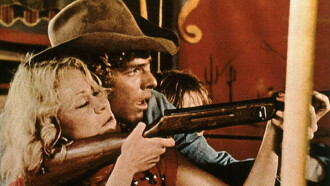
Two fun-loving carnival workers take a vacation with the hope of finding plenty of sex and drugs. Their "quest" is fulfilled when they encounter a dope-peddler and two exotic nightclub dancers.
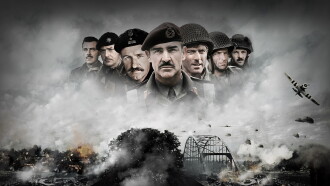
The story of Operation Market Garden—a failed attempt by the allies in the latter stages of WWII to end the war quickly by securing three bridges in Holland allowing access over the Rhine into Germany.
Babae...Ngayon at Kailanman is a film adaptation of three Filipino short story masterpieces: Nick Joaquin's "May Day Eve", Amador Daguio's "Wedding Dance" and Wilfrido Nollega's "Juego de Prenda.