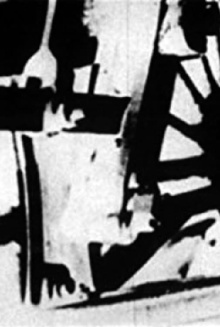
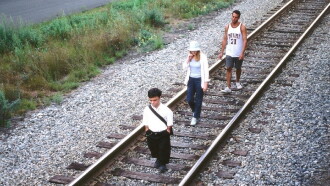
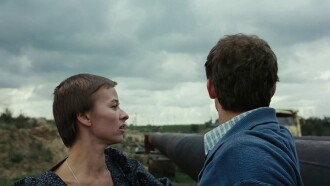
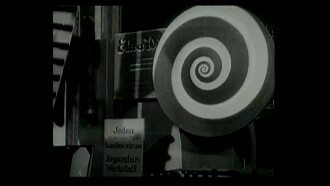
The subject of the first essay is cinema itself: an apparatus of representation wherein fact and fiction are recreated. As such, the pro-filmic facts are necessarily drawn from two of cinema's "pioneers": Louis and Auguste Lumière and Abel Gance (La Roue), with additional material provided from a Warner Brothers featurette, Spills for Thrills.
The true story of how businessman Oskar Schindler saved over a thousand Jewish lives from the Nazis while they worked as slaves in his factory during World War II.
In Prohibition-era Chicago, musicians Joe and Jerry witness a mob hit, and flee the state in an all-female band disguised as Josephine and Daphne, but further complications set in.
When his only friend dies, a man born with dwarfism moves to rural New Jersey to live a life of solitude, only to meet a chatty hot dog vendor and a woman dealing with her own personal loss.
A young French teenage girl after moving to a new city falls in love with a boy and is thinking of having sex with him because her girlfriends have already done it.
In 1941, the inhabitants of a small Jewish village in Central Europe organize a fake deportation train so that they can escape the Nazis and flee to Palestine.
A day in the city of Berlin, which experienced an industrial boom in the 1920s, and still provides an insight into the living and working conditions at that time.
John Dexter’s brilliant production, James Levine’s masterful conducting of the eclectic score, and a sensational cast come together to make this Kurt Weill–Bertolt Brecht masterpiece a riveting evening of music theater.
An intellectually-challenged man and woman meet, fall in love, and are determined to get married, despite the initial objections of their families and friends.
The Riehl family has recently owned a small house in a new development in the countryside. Mr. Riehl drives into town every morning, where he works in a furniture store.
Comments
Have you watched Lumiere's Train (Arriving at the Station) yet? What did you think about it?