A young woman is fed up with the usual consumer's television and begins to make her own television, or more correctly, closevision. She is now a reporter who wanders around Berlin with her camera and 'telecasting apparatus' on her back. Her livingroom has been transformed into a studio and here the different programs are assembled and aired: statements, interviews, realistic and phantastic programs.
Lake gazes down at a still body of water from a birds-eye view, while a group of artists peacefully float in and out of the frame or work to stay at the surface.
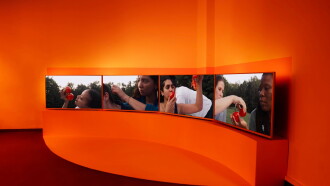
Across the installation's multiple channels, the camera circles a group of artists as they sit together in a field eating, licking, and squeezing ripe tomatoes.
"If it Won’t Hold Water, it Surely Won’t Hold a Goat" is an intimate meditation on the subversive nature of goats and their effect on the people who spend time with them.
A purple and orange fluid spreads in volutes in the maritime estuary of the St. Lawrence. Between visual ballet and lyrical flights, Release plunges us into an enigmatic and sensory experience.
Mimosa is about a girl growing up in an orphanage who tries to make life fun for all the residents. It's a great Easter story, an animated fairy tale about a witch kid and what she's up to in the orphanage while the mother witch whips around with her broom.
When a dedicated jockey finds that the local politicians are not to be trusted and begins to feel his romance with a beautiful woman slowly slipping away, his last-ditch effort to risk it all for his trusted horse Palomo shows that sometimes animals are truly man's best friend.
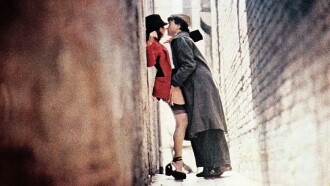
Set in Hamburg's “Hell's Kitchen,” a waterfront milieu of gangsters, pimps, dealers and prostitutes, the story follows the attempts of an ex-seaman first to insinuate himself into the scene, and then to extricate himself from it.
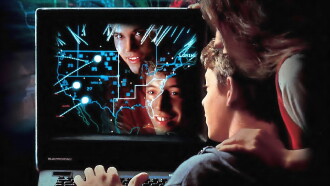
High school student David Lightman has a talent for hacking. But while trying to hack into a computer system to play unreleased video games, he unwittingly taps into the Department of Defense's war computer and initiates a confrontation of global proportions.
Comments
Have you watched Canale grande yet? What did you think about it?