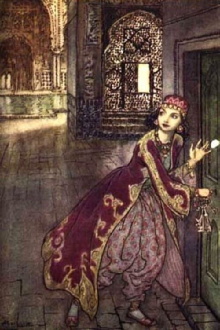
Based on the legend of Blue Beard written by French author Charles Perrault (1628-1703), in this film adaptation however, neither the original blood nor the original murder make an appearance. These elements are replaced by a poetic research on the awareness of the death of the murderer Bluebeard and the dead women are replaced by mannequins, sometimes dragged, pushed or transported; other times, they seem to take on a life of their own.
The film is inspired by the Mário de Sá-Carneiro short story, where the narration is made by Professor Antena's assistant who walks by his side when he is run over in a perhaps enigmatic way.
A guy picks up a girl hitchhiking and starts making advances to her to sleep with her, albeit with the ruse of offering to do a photo shoot so that she can succeed as a model.
Traveling through villages along the Nicaraguan-Honduran border, the filmmakers document the impact of the covert war against Nicaragua's Sandinista government, featuring interviews with mercenaries, soldiers, spies and civilian victims.
Set in Hamburg's “Hell's Kitchen,” a waterfront milieu of gangsters, pimps, dealers and prostitutes, the story follows the attempts of an ex-seaman first to insinuate himself into the scene, and then to extricate himself from it.
This official entry to the first Metro Manila Film Festival in 1983 directed by Lino Brocka and starred Carmi Martin, Phillip Salvador, Dennis Roldan, Vic Diaz, and Tony Santos, Sr centers on the story of Gigi, a burlesque dancer who is the main attraction of show.
When the 'Lowly Ronin' helps an orphaned teenage girl avoid being turned into a prostitute, she then claims he is her father and they start a farm as father and daughter until fate steps in and he must draw his sword.