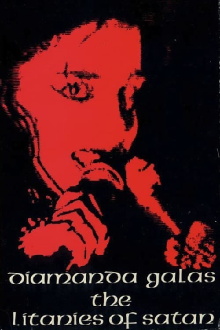
Live performance of Diamanda Galas in 1985, released by Target Video. The performance, based on a poem by Charles Baudelaire, devotes itself to the emaraldine perversity of the life struggle in hell.
A popular high school athlete and an academically gifted girl get roles in the school musical and develop a friendship that threatens East High's social order.
A detailed chronicle of the famous 1969 tour of the United States by the British rock band The Rolling Stones, which culminated with the disastrous and tragic concert held on December 6 at the Altamont Speedway Free Festival, an event of historical significance, as it marked the end of an era: the generation of peace and love suddenly became the generation of disillusionment.
Chandramouli, an international drummer, goes to Chennai to help his friend in his new project. However, his life turns upside down when he falls in love with a playback singer.
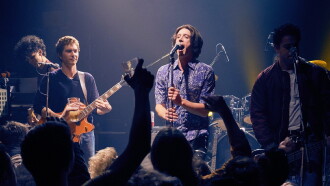
The Ecstasy of Gold / Battery / Master of Puppets / Welcome Home (Sanitarium) / Ride the Lightning / The Unforgiven / Creeping Death / Lords of Summer / Sad but True / Fade to Black / Fuel / One / For Whom the Bell Tolls / Whiskey in the Jar / Nothing Else Matters / Enter Sandman / St.
Heaven Adores You is an intimate, meditative inquiry into the life and music of Elliott Smith. By threading the music of Elliott Smith through the dense, yet often isolating landscapes of the three major cities he lived in -- Portland, New York City, Los Angeles -- Heaven Adores You presents a visual journey and an earnest review of the singer's prolific songwriting and the impact it continues to have on fans, friends, and fellow musicians.
Popular movie trailers from 1986
These some of the most viewed trailers for movies released in 1986:
Beate Klarsfeld, a German Protestant housewife, who, with the help of her Jewish law-student husband, Serge, begins an unrelenting campaign after World War II to bring Nazi war criminals to justice.
Plumber Martin and his younger colleague Frank are on call on Christmas Eve of all days. Frank's girlfriend Regina, who is expecting her first baby at any moment, is anything but thrilled.
Nathaniel Box, a self-styled prophet, along with his daughter Barbara and her fiancé Curtis, holds a night time press conference in an underground car park, devoutly believing that "a new Messiah for a New Age" will appear there before dawn - and their wait does not go unrewarded.
Playwright and director Nils Wijn brings his relationship issues to the stage. In his play "The Whore, the Virgin, and the Dying Man," he has his girlfriend Tessa appear in revealing lingerie and takes her to a real prostitute for some practical lessons.
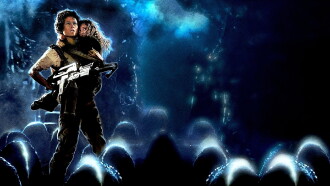
Ripley, the sole survivor of the Nostromo's deadly encounter with the monstrous Alien, returns to Earth after drifting through space in hypersleep for 57 years.
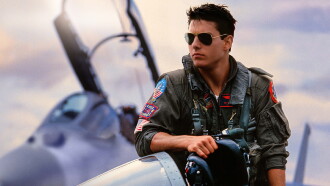
For Lieutenant Pete 'Maverick' Mitchell and his friend and co-pilot Nick 'Goose' Bradshaw, being accepted into an elite training school for fighter pilots is a dream come true.
Jessica's promising debut as a young artist is shattered by a sudden and violent death. She escapes into a restless succession of journeys whose encounters along the way bring humour, some comfort, but also danger.