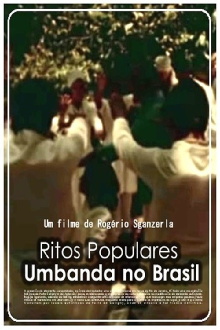
A documentary based on the book Umbanda no Brasil by the scholar Mata e Silva, who is interviewed by the director. The book studies the Brazilian religion known as spiritism, a syncretism of African beliefs and magical rites, Indian beliefs and images, and Catholic symbols.
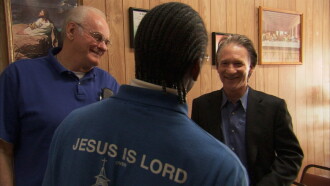
In the thick of a controversial war of ideas, two enlightening figures, Sam Harris, an atheist and a critic of religion, and Maajid Nawaz, an Islamist-turned-liberal activist, partake in an engaging dialogue on the state of Islam, its potential reform, the militant ideology of Islamism, and where all this lays in a secular world.
In the equatorial forest of Congo Brazzaville and the Central African Republic pygmies live. Over-exploitation and waste of resources have had a significant impact on the lives of Pygmies.
Documentary film about Catholic Church teachings about homosexuality. Describes the "third way", the lifestyle lead by orthodox gay Catholics practicing celibacy out of personal choice, an often overlooked demographic in the debates about homosexuality in the Church.
It is a fetish, a mantra, a secret religion to modern man: work. In times of the financial crisis and massive job reductions, this documentary movie questions work as our 'hallow' sense in life in a way that both humors and pains us.
A man confronts the trauma of past sexual abuse as a boy by a Catholic priest only to find his decision shatters his relationships with his family, community and faith.
Popular movie trailers from 1986
These some of the most viewed trailers for movies released in 1986:
Ripley, the sole survivor of the Nostromo's deadly encounter with the monstrous Alien, returns to Earth after drifting through space in hypersleep for 57 years.
In this film, Humbert is on the trail of his own history. Wolfsgrub is the name of the house where Humbert's mother lives, and though she is getting on in years, she becomes young again as she answers her son's questions.
What are Ilona Herfurt and her boyfriend Dietmar Freistrath doing in the old mine? Where does the money come from that her son Jimmy finds under the newspaper? Where have the unique and intricately carved works of art, often passed down for generations, disappeared to from the village in the Ore Mountains? What do the carver Gerlach and his foster daughter llona have to do with it? Questions upon questions that are burning under the detective's nails.
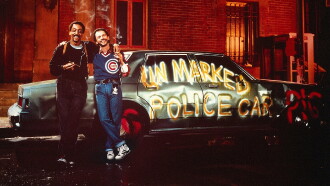
Two street-wise Chicago cops have to shake off some rust after returning from a Key West vacation to pursue a drug dealer that nearly killed them in the past.
The true story of a pair of college students who attempted a double suicide to end their doomed romance becomes fare for legendary pinku-eiga director Hisayasu Sato in this feature.
In this daring follow-up to The History of White People in America, comedian Martin Mull takes us on an in-depth look at such topics as White Religion, White Stress, White Politics, and White Crime.
After being evicted from their Manhattan apartment, a couple buy what looks like the home of their dreams—only to find themselves saddled with a bank-account-draining nightmare.
Plumber Martin and his younger colleague Frank are on call on Christmas Eve of all days. Frank's girlfriend Regina, who is expecting her first baby at any moment, is anything but thrilled.
Comments
Have you watched Ritos Populares: Umbanda no Brasil yet? What did you think about it?