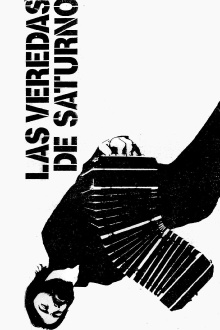
Hugo Santiago and writers Juan José Saer and Jorge Semprún move back and forth between Paris and the city of Aquilea in a shadowy fable about exile. The frontier between one city and the other begins to blur after Bandoneonist Rodolfo Mederos is visited by his sister, a member of a guerrilla organization.
Charlie Simms is a student at a private preparatory school who comes from a poor family. To earn the money for his flight home to Gresham, Oregon for Christmas, Charlie takes a job over Thanksgiving looking after retired U.
The wealthy president of a company has built up an unpayable debt to a local crime lord, and to escape punishment he sells his famous dancer wife to the lecherous old man figuring a 90 year old can’t do too much bad with her.
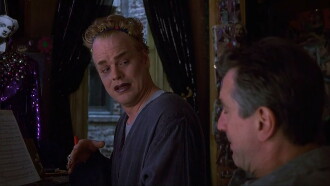
An ultraconservative police officer suffers a debilitating stroke and is assigned to a rehabilitative program that includes singing lessons - with the drag queen next door.
John J. is a seasoned hit man sent on a job to Argentina. When the General he's sent to kill delays his return to the country, John passes the time with Manuela, a beautiful dancer who becomes his teacher and guide into Argentina's sensual world of the tango.
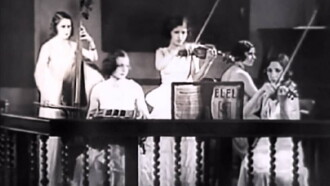
¡Tango! follows a formula established by Carlos Gardel with films such as Luces de Buenos Aires (The Lights of Buenos Aires, 1931) in which a melodramatic story is interspersed with tango songs.
For Lieutenant Pete 'Maverick' Mitchell and his friend and co-pilot Nick 'Goose' Bradshaw, being accepted into an elite training school for fighter pilots is a dream come true.
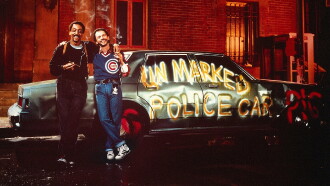
Two street-wise Chicago cops have to shake off some rust after returning from a Key West vacation to pursue a drug dealer that nearly killed them in the past.
Maria since childhood was directed by her father to become a nun. As a result of her father's cultivation of a rigid appreciation, Maria always feels awkward, including the delinquency that is common for a girl.