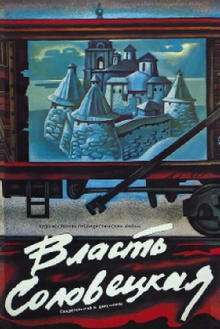
"Solovky Power" is a documentary about the first Soviet labor camp created by Lenin in 1923. Solovky was established in a complex of ancient monasteries on a cluster of islands off the remote White Sea coast. Though its name derives from the Russian word for nightingale, the title of the film echoes the term 'Soviet power', stressing the fact that from the very beginning the Soviet penal colonies were a world unto themselves.
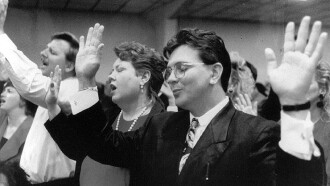
Ricardo was once Sara, a homeless HIV positive transvestite, living in the underbelly of Manhattan. Today he is a churchgoing, married man, "saved" by a Dallas ministry.
Caitlyn Jenner's unlikely path to Olympic glory was inspirational. But her more challenging road to embracing her true self proved even more meaningful.
Amanda is a divorced woman who makes a living as a photographer. During the Fall of the year Amanda begins to see the world in new and different ways when she begins to question her role in life, her relationships with her career and men and what it all means.
Christy Martin broke boundaries and noses as she rose in the boxing world, but her public persona belied personal demons, abuse and a threat on her life.
Rate It X is a bitingly funny and disarming journey through the landscape of American sexism. Men only are interviewed by the two filmmakers in a witty montage of free-wheeling encounters.
The real horror is worse than - than a horror film, worse than - than the worst horror film. A story about some who are producing horror and special effects.
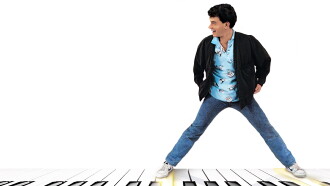
When a young boy makes a wish at a carnival machine to be big, he wakes up the following morning to find that it has been granted and his body has grown older overnight, but he is still the same 13-year-old boy inside.
American cowboys have been writing poetry for over a century. This little-known literary tradition both belies the macho image of the Western heroes and serves as an imaginative form of oral history.