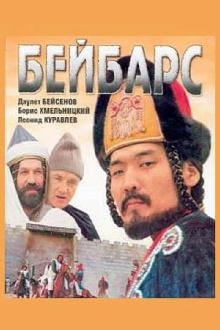
The first part of a historical film dilogy based on the story “Emshan” by Maurice Simashko. XIII century. Equal to God, Sultan Beybars — the ruler of Egypt, who has the largest fleet in the Mediterranean, crushed the Crusader troops and countless hordes of Genghis Khan’s descendant – recalls the life path he passed before ascending to the throne of the ruler.
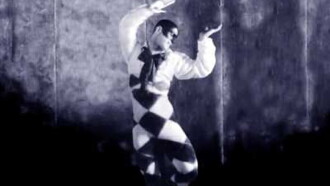
As he gradually turns mad, the dancer Nijinsky evokes the important episodes of his life. In costumes and sets of lush beauty, the divine puppet performs in a final show where the secondary characters are named: Diaghilev, Isadora Duncan, Stravinsky, Auguste Rodin, Léon Bakst.
Joseph Mnwana arrives at Heathrow on a flight from Johannesburg and asks for political asylum. But what is he fleeing from? The authorities are suspicious, and Joseph has an uncertain future in store.
In 1973 Vietnam, gas bombs are dropped on villages, killing men, women, and children. Two downed American pilots, accused of the bombings, are captured and tortured.
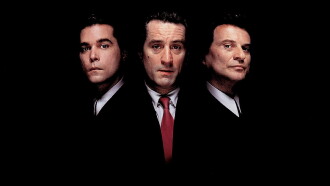
The true story of Henry Hill, a half-Irish, half-Sicilian Brooklyn kid who is adopted by neighbourhood gangsters at an early age and climbs the ranks of a Mafia family under the guidance of Jimmy Conway.
The boisterous good humor of Jurmala, the nickel-mine owner, is, if anything, only barely dented by the raging battles in Finland before, during and after World War Two.
This half-hour BBC documentary offers a revealing look at Svankmajer at work on "Death of Stalinism in Bohemia," and uses excerpts from his earlier films to trace the development of his unique sensibility.
Comments
Have you watched Beybars yet? What did you think about it?