In “Feel the Fear” (1990, 24 minutes) images and ideas about television viewing, self-help therapy, alcohol use, acting, mimicry and social responsibility are linked by metaphoric and formal similarities to imitate connections of cause and effect. But the suggestion of causal logic doesn’t hold up and becomes increasingly skewed. The film’s structure is a metaphor for the contradictions of the culture in which it was made.
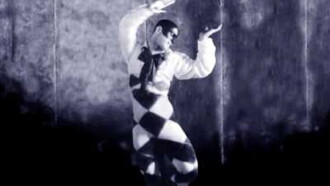
As he gradually turns mad, the dancer Nijinsky evokes the important episodes of his life. In costumes and sets of lush beauty, the divine puppet performs in a final show where the secondary characters are named: Diaghilev, Isadora Duncan, Stravinsky, Auguste Rodin, Léon Bakst.
The secretive realm of the world's deadliest ninja warriors is thrown into chaos as one by one, ninja clan leaders are brutally assassinated! What fiendish foe has the power to kill the most dangerous men in the world? To avenge their dead leader, three ninjas must face this hidden enemy.
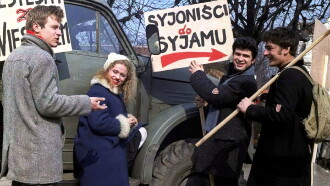
Young people living in Poland in the late 1960s had to face difficult times and make tough choices. Some of them were forced to leave their country for having Jewish origin.
Andreas, who is ten, has been brought up by his grandmother. When she dies, he removes a putto from the crucifix placed upon her, puts it in his mouth and does not speak again.
Comments
Have you watched Feel the Fear yet? What did you think about it?