"In Rhythms of the Heart, Steve Sanguedolce's affinity for expressionistic documentaries turns to the depiction of a ruined relationship. Rhythms of the Heart typifies many of the Escarpment School concerns in its blend of personal narrative and landscape, redrafting its romantic heritage in a love story that deconstructs narrative traditions even as it tears its characters apart. Sanguedolce insistently replays loss through a metaphorical landscape while tirelessly focusing on the personally domestic. The films' centre presents a myriad of visual enclosures such as sparsely lit studios, counter tops or framed bathrooms. The characters search throughout the film to find space within the maze of these settings which could allow them to live without the (Dionysian) dissolutions of sexual passion or the (Apollonian) dictates of the law." - Mike Hoolboom
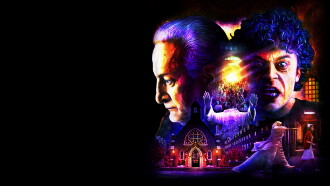
This half-hour BBC documentary offers a revealing look at Svankmajer at work on "Death of Stalinism in Bohemia," and uses excerpts from his earlier films to trace the development of his unique sensibility.
On the fifteenth anniversary of the exorcism that claimed Father Damien Karras' life, Police Lieutenant Kinderman's world is once again shattered when a boy is found decapitated and savagely crucified.
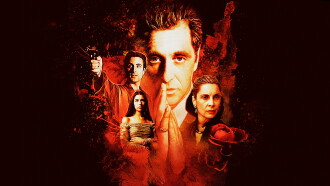
In the midst of trying to legitimize his business dealings in 1979 New York and Italy, aging mafia don, Michael Corleone seeks forgiveness for his sins while taking a young protege under his wing.
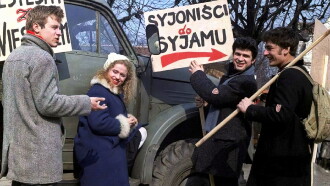
Young people living in Poland in the late 1960s had to face difficult times and make tough choices. Some of them were forced to leave their country for having Jewish origin.
Dim-witted and stuttering Pidol is the brunt of his townsfolk's ridicule. Not even being reconciled to his dad Andres changes his luck, for under Andres' nose Pidol is tormented by his stepmother Husing and stepdaughter Sunshine.
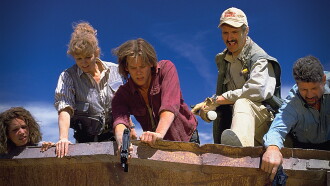
Val McKee and Earl Bassett are in a fight for their lives when they discover that their desolate town has been infested with gigantic, man-eating creatures that live below the ground.
The boisterous good humor of Jurmala, the nickel-mine owner, is, if anything, only barely dented by the raging battles in Finland before, during and after World War Two.
Lucia (Natassja Kinski) is a volatile, exciteable young woman. She forms a romance with Carlo (Stefano Dionisi), who is somewhat callow and is very skittish.
Comments
Have you watched Rhythms of the Heart yet? What did you think about it?