Traces the meteoric rise to fame of the Haitian-Puerto Rican artist whose success was unprecedented for an artist of colour in the U.S. Geoff Dunlop avoids the tawdry gossip and spectacle that have been the focus of other documentaries about the artist, and instead we see Basquiat speaking for himself in interviews and home movies, with former teachers and close friends sharing their accounts of Basquiat's life.
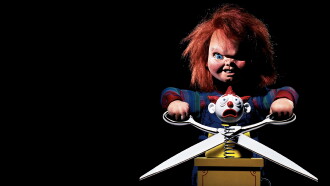
Chucky is reconstructed by a toy factory to dispel the negative publicity surrounding the doll, and tracks young Andy Barclay to a foster home where the chase begins again.
With his nephews and niece, everyone's favorite rich uncle, Scrooge McDuck, treks from his mansion home in Duckburg in search of the long-lost loot of the thief Collie Baba.
Three part anthology with stories involving a Phantom of the Opera-style killer haunting a theater, four punks who pick the wrong house to rob and a man on the hunt for Bigfoot.
In 1973 Vietnam, gas bombs are dropped on villages, killing men, women, and children. Two downed American pilots, accused of the bombings, are captured and tortured.
The boisterous good humor of Jurmala, the nickel-mine owner, is, if anything, only barely dented by the raging battles in Finland before, during and after World War Two.
Dim-witted and stuttering Pidol is the brunt of his townsfolk's ridicule. Not even being reconciled to his dad Andres changes his luck, for under Andres' nose Pidol is tormented by his stepmother Husing and stepdaughter Sunshine.
Ref'at is a judge who is ruling on an important case that witnesses a lot of security interference. Rafiq Al-Henawy has him killed and stages it as a suicide before the ruling.
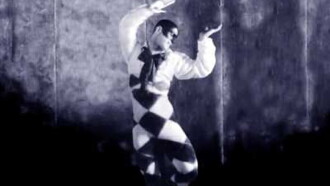
As he gradually turns mad, the dancer Nijinsky evokes the important episodes of his life. In costumes and sets of lush beauty, the divine puppet performs in a final show where the secondary characters are named: Diaghilev, Isadora Duncan, Stravinsky, Auguste Rodin, Léon Bakst.