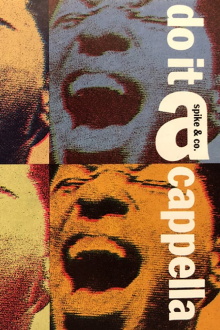
A 1990 PBS documentary around the topic of A cappella music. Artists that performed as part of the documentary include The Mint Juleps, Ladysmith Black Mambazo, Rockapella and The Persuasions. It also stars Spike Lee, Debbie Allen and a cameo appearance by Samuel L. Jackson.
The film describes the microcosmos of the small village Wacken and shows the clash of the cultures, before and during the biggest heavy metal festival in Europe.
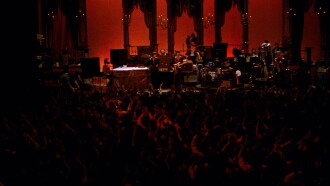
Martin Scorsese's documentary intertwines footage from The Band's incredible farewell tour with probing backstage interviews and featured performances by Bob Dylan, Joni Mitchell, Van Morrison, Eric Clapton, and other rock legends.
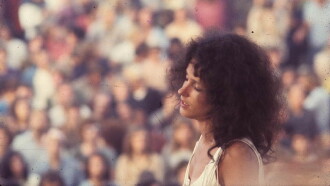
An intimate look at the Woodstock Music & Art Festival held in Bethel, NY in 1969, from preparation through cleanup, with historic access to insiders, blistering concert footage, and portraits of the concertgoers; negative and positive aspects are shown, from drug use by performers to naked fans sliding in the mud, from the collapse of the fences by the unexpected hordes to the surreal arrival of National Guard helicopters with food and medical assistance for the impromptu city of 500,000.
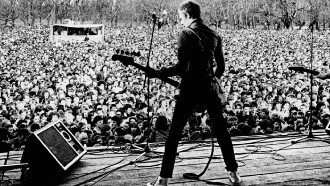
Exploring how punk influenced politics in late-1970s Britain, when a group of artists united to take on the National Front, armed only with a fanzine and a love of music.
The Road Forward is an electrifying musical documentary that connects a pivotal moment in Canada’s civil rights history—the beginnings of Indian Nationalism in the 1930s—with the powerful momentum of First Nations activism today.
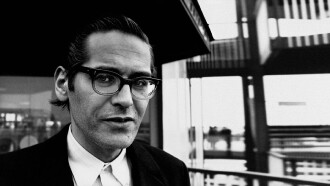
A biographical film featuring the music and times of Bill Evans with interviews from Tony Bennett, Jack Dejohnette, Billy Taylor, Paul Motian, Jon Hendricks, Orin Keepnews, Bobby Brookmeyer, Pat Evans and more, including family and friends who knew Bill Evans well.
Popular movie trailers from 1990
These some of the most viewed trailers for movies released in 1990:
Lucia (Natassja Kinski) is a volatile, exciteable young woman. She forms a romance with Carlo (Stefano Dionisi), who is somewhat callow and is very skittish.
The secretive realm of the world's deadliest ninja warriors is thrown into chaos as one by one, ninja clan leaders are brutally assassinated! What fiendish foe has the power to kill the most dangerous men in the world? To avenge their dead leader, three ninjas must face this hidden enemy.
A police chief in the war-torn streets of Los Angeles discovers that an extraterrestrial creature is hunting down residents - and that he is the next target.
On a West German Autobahn, Robert plummets from a bridge and is hospitalized. As he recovers, he flashes back to a Bulgarian holiday where he met Jutta and her uncle Lothar, who’d ordered a West German passport to smuggle her out of the DDR.