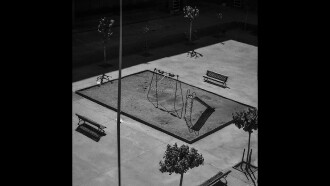
This film, which documents a controversy over plans to alter the original architectural design of the Whitney Museum of American Art, examines some of the problems raised by the decision, including Modernist and Post-Modernist styles, architecture as art, the responsibility of art museums to the public, and the role of the architect
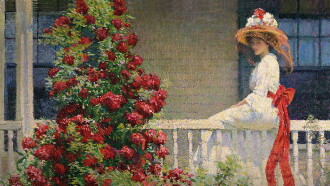
Taking its lead from French artists like Renoir and Monet, the American impressionist movement followed its own path which over a forty-year period reveals as much about America as a nation as it does about its art as a creative power-house.
This documentary follows two long-lost Ukrainian friends, Arsalan and Nastya, as they reconnect in Germany after russia's full-scale invasion against Ukraine.
Karel Vachek’s graduate film offers us a documentary essay which is both a light-hearted and aggressive little piece and also a parody of investigative film journalism.
An intimate look into Demers family's experience raising children while dealing with the societal stigmas around disabilities and the consequences of Alberta's forgotten experiment in eugenics.
The Kabul National Museum, once known as the "face of Afghanistan," was destroyed in 1993. We filmed the most important cultural treasures of the still-intact museum in 1988: ancient Greco-Roman art and antiquitied of Hellenistic civilization, as well as Buddhist sculpture that was said to have mythology--the art of Gandhara, Bamiyan, and Shotorak among them.
A heartfelt story about the borderlands of childhood, about a boy who is still a child, but who is touched by an inexplicable, barely discernible feeling of love.
The secretive realm of the world's deadliest ninja warriors is thrown into chaos as one by one, ninja clan leaders are brutally assassinated! What fiendish foe has the power to kill the most dangerous men in the world? To avenge their dead leader, three ninjas must face this hidden enemy.
With his nephews and niece, everyone's favorite rich uncle, Scrooge McDuck, treks from his mansion home in Duckburg in search of the long-lost loot of the thief Collie Baba.
Andreas, who is ten, has been brought up by his grandmother. When she dies, he removes a putto from the crucifix placed upon her, puts it in his mouth and does not speak again.
Comments
Have you watched What's Wrong With This Building? yet? What did you think about it?