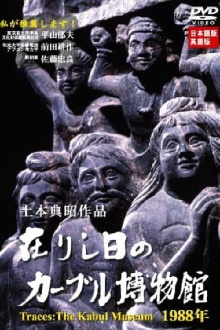
The Kabul National Museum, once known as the "face of Afghanistan," was destroyed in 1993. We filmed the most important cultural treasures of the still-intact museum in 1988: ancient Greco-Roman art and antiquitied of Hellenistic civilization, as well as Buddhist sculpture that was said to have mythology--the art of Gandhara, Bamiyan, and Shotorak among them. After the fall of the Democratic Republic of Afghanistan in 1992, some seventy percent of the contents of the museum was destroyed, stolen, or smuggled overseas to Japan and other countries. The movement to return these items is also touched upon. The footage in this video represents that only film documentation of the Kabul Museum ever made.
After the death of Lama Dorje, Tibetan Buddhist monks find three children — one American and two Nepalese — who may be the rebirth of their great teacher.
Repainting Cuba takes a critical look at communist Cuba, where both the facades and the aging regime were given a coating of colorful paint in connection with the 50 year anniversary of the revolution.
Artist John Smith tells stories about tower block life, editing in bold, unconventional fashion, cutting into the material and highlighting the components and conventions of the film form - yet an intimate portrait of the block's inhabitants still emerges.
Filmed at the time Hockney was painting Mr and Mrs Clark and Percy, Portrait of David Hockney is made up of a limited number of shots, observing the periphery details of his flat and studio.
In a rolling area of Syria, the villagers live their everyday life, in toil and poverty. Trapped between the hardships of farming, religious and political ideologies, they barely survive.
Wales prides herself in her wealth of natural resources, foundries, mills, and factories. Beyond this modern facade lies another treasure—a rich historical background and ancient lore.
Fumiya, a beautiful boy with no fixed address, sells his body to random men in the park. One day, he is in trouble but is saved by a middle-aged university professor, who sets him on a new life.
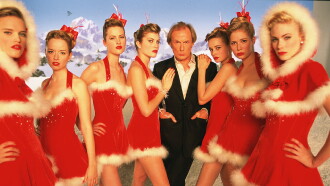
Eight very different couples deal with their love lives in various loosely interrelated tales all set during a frantic month before Christmas in London.
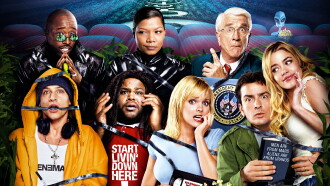
News anchorwoman Cindy Campbell has to investigate mysterious crop circles and killing video tapes, and help the President stop an alien invasion in the process.
A group of actors is shooting a film in Aguas Buenas, based on the legend of a magician. There, they become infected with the honesty syndrome, which unleashes a number of hidden secrets to come to light.
Comments
Have you watched Traces: The Kabul Museum 1988 yet? What did you think about it?