A black and white preface shows a woman in a traditional kimono climbing the stairs as WWII era Mitsubishi Zeros fly through the sky and footage of the Japanese military of the era is superimposed over the footage. She stops at the top of the stairs to say her prayers, rings a bell, and heads inside where the footage is shot in color. She unravels her kimono and rubs her face with the cloth before wrapping her blade and lovingly touching it. She pulls it across her stomach and slits herself open, falling to the mat. She crawls across the mat, dying, slipping in her own slick blood until she can't move anymore.
An elderly heiress is killed by her husband who wants control of her fortunes. What ensues is an all-out murder spree as relatives and friends attempt to reduce the inheritance playing field, complicated by some teenagers who decide to camp out in a dilapidated building on the estate.
When the citizens of a small evangelical town systematically begin committing suicide, a young girl struggling to reconcile her Christian upbringing with her desire to experience the outside world finds her faith put to the ultimate test.
Having finally secured her first assignment from her family's demolition business, Sam Walczak is sent to supervise the destruction of an apartment house, only to discover a group of tenants still living in the condemned building.
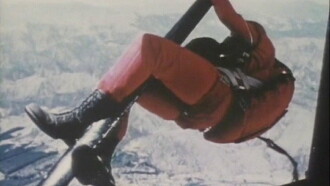
Gory real-life footage of blood and guts on the German Autobahn, drug smugglers getting blown away, a parachutist landing in a crocodile pit, torture and murder in El Salvador, a PCP addict getting stoned, a videotaped rape/murder, a car thief getting ripped apart by two junkyard dogs, and much more.
Popular movie trailers from 1990
These some of the most viewed trailers for movies released in 1990:
On the fifteenth anniversary of the exorcism that claimed Father Damien Karras' life, Police Lieutenant Kinderman's world is once again shattered when a boy is found decapitated and savagely crucified.
The secretive realm of the world's deadliest ninja warriors is thrown into chaos as one by one, ninja clan leaders are brutally assassinated! What fiendish foe has the power to kill the most dangerous men in the world? To avenge their dead leader, three ninjas must face this hidden enemy.
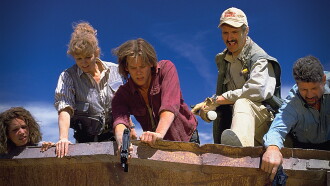
Val McKee and Earl Bassett are in a fight for their lives when they discover that their desolate town has been infested with gigantic, man-eating creatures that live below the ground.
A heartfelt story about the borderlands of childhood, about a boy who is still a child, but who is touched by an inexplicable, barely discernible feeling of love.
Vivian is a carefree, streetwise diamond in the rough when she meets sophisticated billionaire Edward in a chance encounter that turns into a week-long business arrangement.