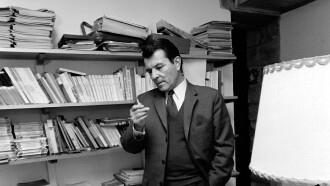
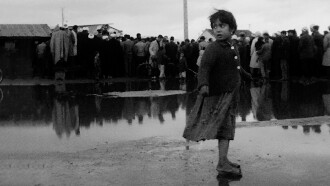
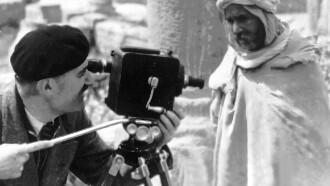
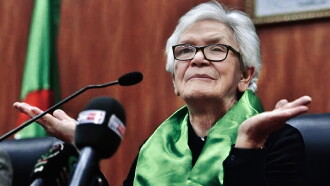
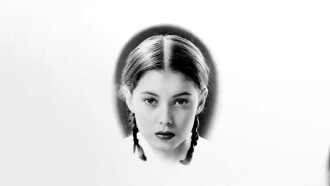
Algeria is written in the feminine. In a society where the gaze is only masculine, another eye is nonetheless present… The feminine gaze—unsettling, disturbing modesty, breaking taboos, freeing speech… It emerges from the shadows: with Assia Djebar, Algerian writer-historian, we go to meet Algerian women of all generations to enter into their lives, their daily routines, this world where the gaze is supposed to be forbidden. These women tell their own stories, imposing their gaze on the camera for a journey into this half of Algeria condemned to silence… to a clandestine life.
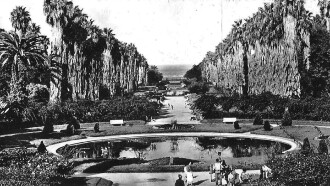
The film, shot in 1938, is part of a series entitled “The true face of Algeria”. The film highlights the proximity of Algiers to Paris and promotes air travel.
Structured as a labyrinth-like game and inspired by Jorge Luis Borges, Aleph is a travelogue of experience, a dreamer's journey through the lives, experiences, stories and musings of protagonists spanning ten countries and five continents.
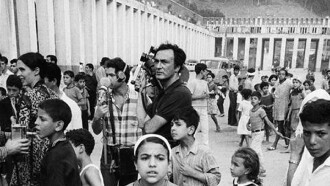
Festival panafricain d'Alger is a documentary by William Klein of the music and dance festival held 40 years ago in the streets and in venues all across Algiers.
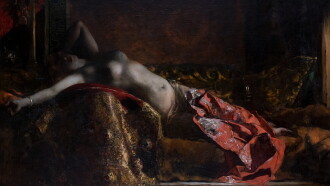
Orientalism is a literary and artistic movement born in Western Europe in the 18th century. Through its scale and popularity, throughout the 19th century, it marked the interest and curiosity of artists and writers for the countries of the West (the Maghreb) or the Levant (the Middle East).
Documentary on the beginnings of Algerian independence filmed during the summer of 1962 in Algiers. The film was banned in France and Algeria but won the Grand Prize at the Leipzig International Film Festival in 1965.
“La Zerda and the songs of oblivion” (1982) is one of only two films made by the Algerian novelist Assia Djebar, with “La Nouba des femmes du mont Chenoua” (1977).
The autobiographical account of the tormented life of a witness of the century: Louisa Ighilahriz, activist and leading figure in Algerian independence.
May 8, 1945, the day of victory over Nazism, is also a day of mourning. In Algiers, thanks to demonstrations for victory, the Algerian flag appears for the first time, thus claiming independence.
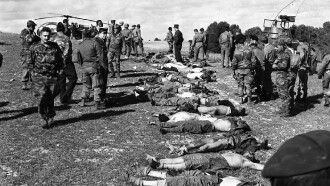
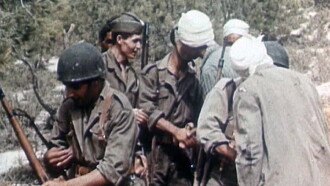
These are the first images shot in the ALN maquis, camera in hand, at the end of 1956 and in 1957. These war images taken in the Aurès-Nementchas are intended to be the basis of a dialogue between French and Algerians for peace in Algeria, by demonstrating the existence of an armed organization close to the people.
Naples, 1959. Pure Mathematics professor Renato Caccioppoli, Bakunin's grandson, is a tortured soul. Recently discharged from the psychiatric hospital, left by his wife, and increasingly disillusioned with academia and the Communist Party, he lives his last days with painful detachment.
The monstrous Penguin, who dwells in the sewers beneath Gotham, joins up with corrupt mayoral candidate Max Shreck to topple the Batman once and for all.
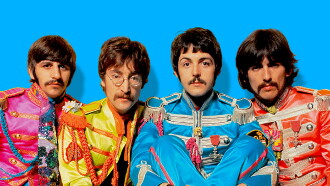
This was an official documentary shown on television featuring George Martin taking us through the album tracks and Paul, George and Ringo giving us their memories of the sessions.
Linnea in Monet's Garden is a unique blend of imagination and education, teaching children about the art and life of one of the most important painters of the 20th century, while entertaining them with the mystery and beauty of art and nature.
Valentin Zapanta (Eddie Garcia) was know as "Ninong" ("Godfather") by the whole of Tondo. Because of his large territory, many tried to usurp his hold on Tondo.
Based on the character Rika-chan from Takara Tomy's long-running line of girls' toys, this is the third installment in the OVA series "Rika-chan" that aired in the 1990s.
A poor French teenage girl engages in an illicit affair with a wealthy Chinese heir in 1920s Saigon. For the first time in her young life she has control, and she wields it deftly over her besotted lover throughout a series of clandestine meetings and torrid encounters.
Comments
Have you watched Assia Djebar, entre ombre et soleil yet? What did you think about it?