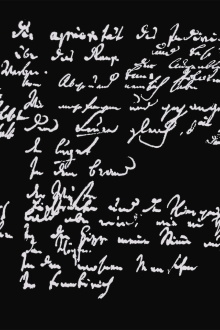
An experimental documentary film about Friedrich Hölderlin. In the middle of the film, there is a short excerpt from a Nazi propaganda film: O. E. Hasse reads "Der Tod fürs Vaterland" (Death for the Fatherland), the poem that was given to German soldiers on the front lines during World War II. This is contrasted with texts from Hölderlin's late work, which have only recently been edited. This creates a completely different picture of Hölderlin's poetry.
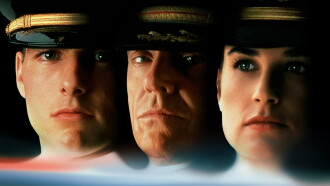
When cocky military lawyer Lt. Daniel Kaffee and his co-counsel, Lt. Cmdr. JoAnne Galloway, are assigned to a murder case, they uncover a hazing ritual that could implicate high-ranking officials such as shady Col.
Writes Kuchar: "It was my 50th birthday this year (1992) and my friend's birthday, so I explored our position in time and dusty place with a prognostication on future inertia.
Naples, 1959. Pure Mathematics professor Renato Caccioppoli, Bakunin's grandson, is a tortured soul. Recently discharged from the psychiatric hospital, left by his wife, and increasingly disillusioned with academia and the Communist Party, he lives his last days with painful detachment.
Catherine, a novelist with an insatiable sexual appetite, becomes a prime suspect when her boyfriend is brutally murdered -- a crime she had described in her latest story.
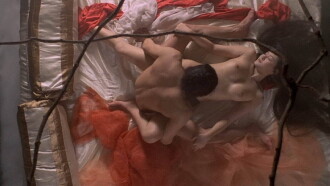
After losing her parents, young flower selling Midori is put up by a fairground group. She is abused and forced to slavery, until the arrival of an enigmatic magician of short stature, who gives her hope for a better future.
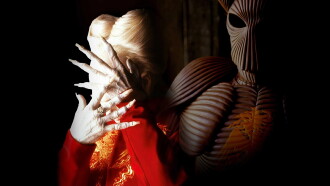
Count Dracula, a 15th-century prince, is condemned to live off the blood of the living for eternity. Young lawyer Jonathan Harker is sent to Dracula's castle to finalise a land deal, but when the Count sees a photo of Harker's fiancée, Mina, the spitting image of his dead wife, he imprisons him and sets off for London to track her down.
Comments
Have you watched Lyrische Suite. Das untergehende Vaterland yet? What did you think about it?