The city during the beginning of cinema. The typical city at the time of the dictatorship. The New Lisbon of the New Cinema. Lisbon after the Revolution. The white city of foreigners. A geographical and moviegoer screenplay of Lisbon through the images of films and testimonies of several filmmakers who filmed in Lisbon.
Besieged by writer’s block and the crushing breakup with Tessa, Hardin travels to Portugal in search of a woman he wronged in the past – and to find himself.
Barley Scott Blair, a Lisbon-based editor of Russian literature who unexpectedly begins working for British intelligence, is commissioned to investigate the purposes of Dante, a dissident scientist trapped in the decaying Soviet Union that is crumbling under the new open-minded policies.
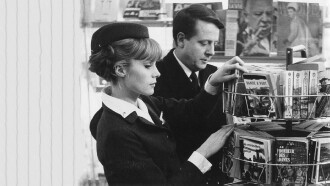
Pierre Lachenay is a well-known publisher and lecturer, married to Franca and father of Sabine. He starts a love affair with air hostess Nicole, which Pierre is hiding, but he cannot stay away from her.
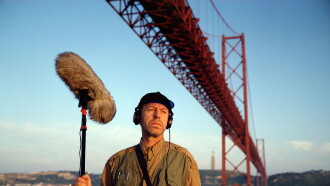
This quick look at Lisbon begins with aerial footage of the port city as the off-screen narrator provides some history of a seafaring, colonizing nation, of destructive earthquakes, and of contemporary construction.
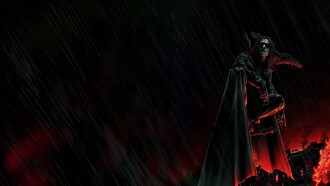
Exactly one year after young rock guitarist Eric Draven and his fiancée are brutally killed by a ruthless gang of criminals, Draven, watched over by a hypnotic crow, returns from the grave to exact revenge.
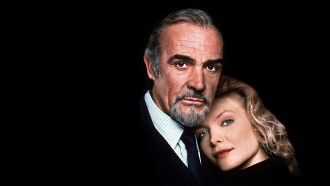
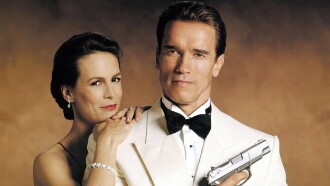
A fearless, globe-trotting, terrorist-battling secret agent has his life turned upside down when he discovers his wife might be having an affair with a used car salesman while terrorists smuggle nuclear war heads into the United States.
Vijay becomes the guardian of his sister's three orphaned kids. Later, the children give shelter to Vaijayanthi, a girl trying to escape an arranged marriage, without their uncle's knowledge.
Lloyd and Harry are two men whose stupidity is really indescribable. When Mary, a beautiful woman, loses an important suitcase with money before she leaves for Aspen, the two friends (who have found the suitcase) decide to return it to her.
Pamela Sutch (Rana) stars as an unfortunate cheerleader who stops to eat at Zulu Charlie’s, little realizing that she’s going to be a big part of the meal! Pam is stripped to her underwear and then cooked over a sizzling barbecue.