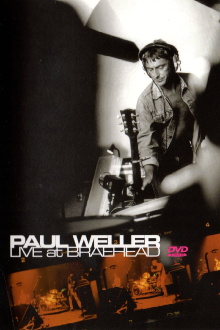
Recorded on October 16th 2002 at one of two huge arena shows in Scotland, this unique concert recording sees the modfather revisiting some Style Council and Jam material for the first time since going solo. Although he has attempted acoustic renditions of his past glories, never before has he performed full-band version of his classic early material, but he more than makes up for that with this special show. "Town Called Malice," "Man In The Cornershop," and "Pretty Green" from the Jam's collective ouvre are all given an airing, as well as a smattering of Style Council material, and highlight's from Weller's solo career.
A group of actors is shooting a film in Aguas Buenas, based on the legend of a magician. There, they become infected with the honesty syndrome, which unleashes a number of hidden secrets to come to light.
200 km follows the marches carried out by Sintel workers to reach Madrid on May 1, 2002. Sintel was a subsidiary of Telefónica that, when it was privatized, was closed, leaving its 1,800 workers on the streets.
A 13 year old girl is raped and murdered in a small country town. Ten years later, the murderer is up for parole and the victim's father has vowed personal vengence if the killer is released.
As a kid, Leo thought he possessed, like a magician, the secret power to make things happen. As a young man, he certainly knows how to make things happen with women.
A small town is overrun by ankle-biting-blood-sucking DWARF Vampires. Things get complicated when the vertically-challenged coffin-creepers get their itty-bitty hands on a sword with the blood of the last slain Tall Vampire.
Young, inexperienced heroes, the Roma girl Darja and the "white" boy Vítek, nicknamed Ken by his friends, fall in love at a drunken dance with the intensity of their first adolescent love, unaware of the world they live in and how a mere name or skin color can arouse hatred and a desire for revenge in others.
Robert McChesney lays the blame for the US's current state of affairs squarely at the doors of the corporate boardrooms of big media, which far from delivering on their promises of more choice and more diversity, have organized a system characterized by a lack of competition, homogenization of opinion and formulaic programming.