The day before his wedding, handsome and merry Figaro learns of the bride Susanna, but he has a rival - voluptuous Count Almaviva. Count intends to use the old right of the first night in his possessions and to steal from the lovers their happiness. The case becomes more complicated as another lover - Marceline claims her love for Figaro as well, requiring a considerable amount of money to return and marry her.
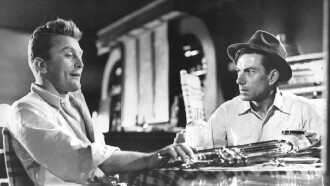
A bandleader, desperate to get his band's instruments out of hock, promises the pawnshop clerk--an aspiring songwriter--that he'll let the band's female singer do the clerk's songs at a local club if he will let the band "borrow" their instruments at night.
Queer Duck and his partner of 18 months (a lifetime in gay years), Stephen Arlo "Openly" Gator, hit a relationship crisis when the fey fowl is wooed by a brassy Broadway broad.
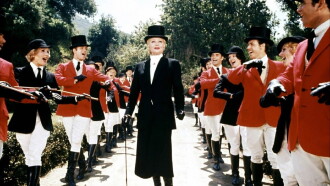
The madcap life of eccentric Mame Dennis and her bohemian, intellectual arty clique is disrupted when her deceased brother's 10-year-old son Patrick is entrusted to her care.
Taken in by the musical world as a young orphan, Rick Martin grows up with a desire to play pure jazz instead of the commercial gigs he lands, whilst also coping with the problems caused by his tempestuous marriage to an aloof heiress.
Robert McChesney lays the blame for the US's current state of affairs squarely at the doors of the corporate boardrooms of big media, which far from delivering on their promises of more choice and more diversity, have organized a system characterized by a lack of competition, homogenization of opinion and formulaic programming.
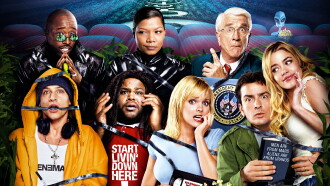
News anchorwoman Cindy Campbell has to investigate mysterious crop circles and killing video tapes, and help the President stop an alien invasion in the process.
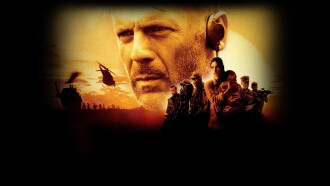
Navy SEAL Lieutenant A.K. Waters and his elite squadron of tactical specialists are forced to choose between their duty and their humanity, between following orders by ignoring the conflict that surrounds them, or finding the courage to follow their conscience and protect a group of innocent refugees.
The human city of Zion defends itself against the massive invasion of the machines as Neo fights to end the war at another front while also opposing the rogue Agent Smith.
A group of actors is shooting a film in Aguas Buenas, based on the legend of a magician. There, they become infected with the honesty syndrome, which unleashes a number of hidden secrets to come to light.
Comments
Have you watched The Crazy Day, or The Marriage of Figaro yet? What did you think about it?