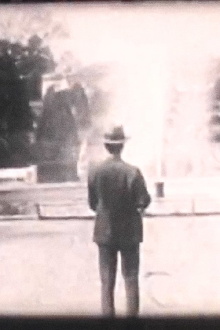
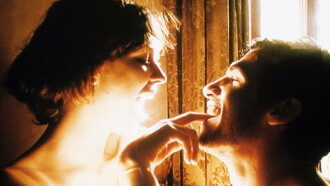
"This film is one of my recently series work, 'Re-interpretation for the private films' which has been cited from old home movies. The original home movie was shot in the Palace Sans Souci in early spring, 1931 by an unknown Japanese amateur cineaste. I got this film unexpectedly. But if not, this film had never remained in film history. When we saw this film carefully, we could be found out the sensibility and aesthetics of the Japanese of pre-war days.Accurate operation of camera, delicacy, moderation and a bit of sadness. And we could also notice that he had been seeing a scene of Japan in a foreign country."
Based on one of the most famous mysterious disappearances in the world, Richard John Bingham, the Seventh Earl of Lucan, was accused of the murder of 29-year-old nanny Sandra Rivett on 7 November 1974, at his family home at 46 Lower Belgrave Street, in London.
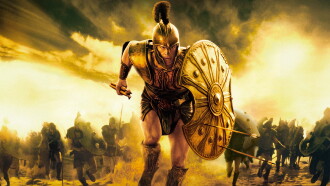
In year 1250 B.C. during the late Bronze age, two emerging nations begin to clash. Paris, the Trojan prince, convinces Helen, Queen of Sparta, to leave her husband Menelaus, and sail with him back to Troy.
Despite pulling off one of the biggest heists in Las Vegas history and splitting the $160 million take, each of the infamous Ocean's crew have tried to go straight, lay low and live a legit life.
A Zero Hour special, dramatically recounting the final sixty minutes of American Airlines Flight 11 - an hour, and a flight, that changes the world forever.
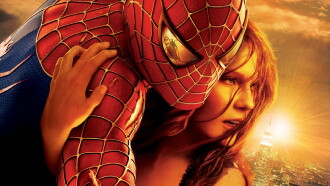
Peter Parker is going through a major identity crisis. Burned out from being Spider-Man, he decides to shelve his superhero alter ego, which leaves the city suffering in the wake of carnage left by the evil Doc Ock.