A documentary about the Ghibli Museum. It features Goro Miyazaki speaking with Isao Takahata about the "charm" of the museum and its various influences. Goro tours the viewer around the museum, explaining the intricate details that his father, Hayao Miyazaki made during its construction. The documentary highlights the strong European influences in the museum's architecture, featuring footage of the medieval mountainous city of Calcata in Italy and the historic port city of Genoa, which Miyazaki had visited in the past. These trips would go on to influencing the imagery seen in Castle in the Sky, Kiki's Delivery Service, Porco Rosso, and Spirited Away.
A 60-minute salute to American International Pictures. Entertainment lawyer Samuel Z. Arkoff founded AIP (then called American Releasing Corporation) on a $3000 loan in 1954 with his partner, James H.
Tattooing — "the world's oldest skin game" — is the subject of this iconic documentary. Writer/director Geoff Steven scored a major coup by signing Easy Rider legend Peter Fonda as his presenter.
A bold reveal of a rose tattoo opens this 1980 documentary on tattooing in New Zealand. The potted history includes visits to tattoo parlours on K' Road and Hastings, and the studios of industry legends Steve Johnson and Roger Ingerton.
A story of love and life among the landed English gentry during the Georgian era. Mr. Bennet is a gentleman living in Hertfordshire with his overbearing wife and five daughters, but if he dies their house will be inherited by a distant cousin whom they have never met, so the family's future happiness and security is dependent on the daughters making good marriages.
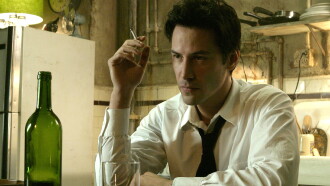
John Constantine has literally been to Hell and back. When he teams up with a policewoman to solve the mysterious suicide of her twin sister, their investigation takes them through the world of demons and angels that exists beneath the landscape of contemporary Los Angeles.
In 1960s Wyoming, two men develop a strong emotional and sexual relationship that endures as a lifelong connection complicating their lives as they get married and start families of their own.
"The Prodigy" tells the story of small-time enforcer Truman Fisher's vicious conflict with a sadistic assassin who has chosen the unwilling Truman to be his successor.