Brion Whitford is an Ojibway filmmaker who lives with the pain of advanced diabetes. As his health worsened, his interest in his own culture grew. The film follows Brion’s struggle to regain his health by learning about the medicine wheel, a holistic tool grounded in Indigenous understanding of the interconnectedness of all dimensions of life. As Brion seeks to get well he explores the historical trauma of colonization and how it continues to affect Indigenous peoples’ physical and psychological well-being.
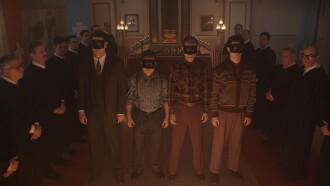
The Indian Act, passed in Canada in 1876, made members of Aboriginal peoples second-class citizens, separated from the white population: nomadic for centuries, they were moved to reservations to control their behavior and resources; and thousands of their youngest members were separated from their families to be Christianized: a cultural genocide that still resonates in Canadian society today.
For over 130 years till 1996, more than 100,000 of Canada's First Nations children were legally required to attend government-funded schools run by various Christian faiths.
Phil Comeau shines a spotlight on the Ordre de Jacques-Cartier, a powerful secret society that operated from 1926 to 1965, infiltrating every sector of Canadian society and forging the fate of French-language communities.
What does it actually mean to be Canadian? This humorous documentary, featuring interviews with a who's-who of famous Canadians, hopes to find the answer.
Filmed on location in Saskatchewan from the Qu'Appelle Valley to Hudson Bay, the documentary traces the filmmaker's quest for her Native foremothers in spite of the reluctance to speak about Native roots on the part of her relatives.
This film explores how Canada wavers between rejection and acceptance of closer ties with the United States, tracing the historical precedents of current issues between the two nations.
Renowned as the richest gold strike in North American mining history, the Klondike Gold Rush (1896-1899) set off a stampede of over 100,000 people on a colossal journey from Alaska to the gold fields of Canada's Yukon Territory.
The world knows the image of the good Canadian. But what if there was a dark secret behind a national identity? THE GOOD CANADIAN exposes the truth behind the idea of a True North strong and free.
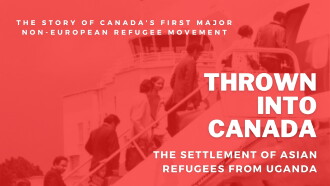
This documentary explores the history of Canada’s first major migration of non-European and non-white refugees who arrived in 1972 when Ugandan President Idi Amin expelled all South Asians from the country.
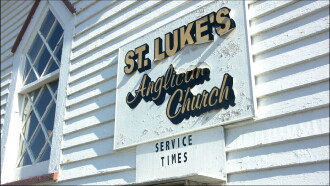
Amidst a mostly Catholic community, a small tiny Anglican church offers more to the community of Placentia than people may think, and holds many connections and history to the rest of the world.
Popular movie trailers from 2005
These some of the most viewed trailers for movies released in 2005:
Sebastien is a small town boy who moves to Paris and begins to explore the gay night life there. When a friend from back home calls to announce he's coming to Paris, Sebastien confronts some unrequited feelings.
With detailed assistance from a self-help book -- written by a self-described love guru (Jolina Magdangal) -- Denise (Jennylyn Mercado), a hopeless romantic, finally manages to catch the attention of the man she's had her eye on forever (Mike Tan).
Insurance investigator Abraham Holt travels to a tiny town in rural Minnesota to look into a particularly unusual insurance claim stemming from a horrific car accident.
The single mother Leonie has great worries: Since her ex-boyfriend left her a huge debt mountain, knows the young cosmetics saleswoman hardly how to make a living.