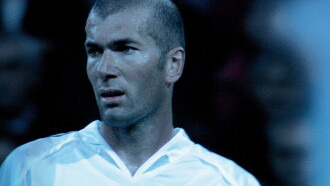
Ninety minutes in the Cathedral worth to live a historic moment. The temple quintessential Spanish football said goodbye in July 2013 to make way for the new stadium of the Athletic Club of Bilbao, but the essence, the color, the claw and the history of San Mames remain in the memories of their members, their supporters, of whom feel inside Atletico colors and those players who played on their turf to the sound of aupas, irrintzis, eups and alirones of the athleticzale fans. Documentary directed by journalist Unai Larrea to honor the centenary of the legendary stadium Bilbao, blend the images of the parties lived in the Cathedral interviews with over 80 people involved in the club's history, Bilbao and stage, as players the club itself Julen Guerrero, Joseba Etxeberria, 'Txopo' Iribar, Andoni Zubizarreta or Red Txetxu, Iker Casillas, Xavi Hernandez, Johann Cruyff or Juanlu-last player to score in San Mames, and coaches like Jorge Valdano, Vicente del Bosque and Luis Fernandez.
President Kennedy's birthday celebration was held at the third Madison Square Garden on May 19, 1962, and more than 15,000 people attended, including numerous celebrities.
Schaub and Schindelm’s documentary follows two Swiss star architects, Jacques Herzog and Pierre de Meuron, on two very different projects: the national stadium for the Olympic summer games in Peking 2008 and a city area in the provincial town of Jinhua, China.
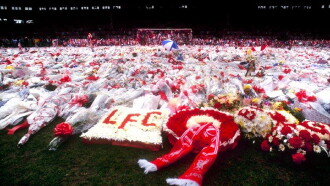
A look at the April 15, 1989 tragedy at Hillsborough Stadium in Sheffield, England, where a stampede in the stadium's standing-room-only areas killed 96 people and injured 766.
Through interviews with key figures and previously unseen period images, the story of the 1982 World Cup and the Italian national team, seen also from a private perspective, is contrasted with that of a country led by President Sandro Pertini.
Life for former United Nations investigator Gerry Lane and his family seems content. Suddenly, the world is plagued by a mysterious infection turning whole human populations into rampaging mindless zombies.
Who loves whom in Così fan tutte, Mozart’s and Da Ponte’s cruelly comic reflection on desire, fidelity and betrayal? Or have the confusions to which the main characters subject one another ensured that in spite of the heartfelt love duets and superficially fleetfooted comedy nothing will work any longer and that a sense of emotional erosion has replaced true feelings? Così fan tutte is a timeless work full of questions that affect us all.
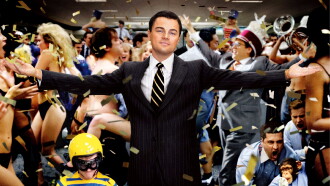
A New York stockbroker refuses to cooperate in a large securities fraud case involving corruption on Wall Street, corporate banking world and mob infiltration.
What does it take to say a word of love? How long and how much strength does it take for the heart to speak? How many streets at night? How fast? How many faces in how many bars? What tenderness? What pain? What music? What images in the mind? And where does it come from? Is it in the darkness of a closed park at night? In the back room of a Chinese bar? In the bottom of a beer? In a collective dance? In a sister's laughter? When does it finally happen? For the soul to let go.