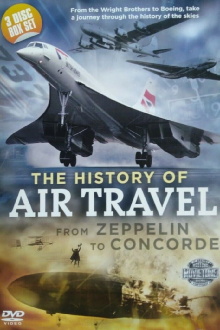
The History of Air Travel: From Zeppelin to Concorde Trailer (2014)
01 June 2014 140 mins
In the early 20th century, railways were the main form of transport for both people and goods. Those who undertook journeys covering vast distances often never returned to the place from which they had left. Then, in 1903, a timeline of history began that changed the way we travelled forever. Few could have predicted that just 60 years after the Wright brothers first managed powered flight, passenger jets would be transporting thousands of people across the globe. Here, we map the history of flight from its beginnings and follow the story through the first half of the 20th century, charting the rapid developments that took place over the next 50 years. From the Boeing 707 to Concorde, the second half of the 20th century witnessed great change in the accessibility of air travel to almost everyone. In 1957 the number of passengers crossing the Atlantic by air overtook the number crossing by sea as thousands began to holiday in previously unreachable destinations.
Watch the official The History of Air Travel: From Zeppelin to Concorde 2014 trailer in HD below or find more The History of Air Travel: From Zeppelin to Concorde videos on Vidimovie.