Sumiko Haneda Trailers
Women Make Films TrailerDevotion: A Film About Ogawa Productions Trailer
Born 1926 in Dalian, China, Sumiko Haneda graduated from Jiyu Gakuen, and joined Iwanami Productions at its founding. She has been involved in over eighty documentaries, starting with Women’s College in the Village (1957). After The Cherry Tree with Gray Blossoms (1977) she took to independent filmmaking, and has made over ten films including Ode to Mt. Hayachine (1982), How to Care for the Senile (1986), Getting Old without Anxiety (1990) and Woman Was the Sun—The Life of Hiratsuka Raicho (2001). She participated as a juror in the International Competition in YIDFF ’99.
Most Popular Sumiko Haneda Trailers
Total trailers found: 26
13 June 2009
Set in the Japanese puppet state of Manchukuo, the tragic theme of the film is the destruction of millions of lives in the 13 years before Manchukuo collapsed with Japan’s World War II surrender in August 1945, and the years of suffering it brought in its wake.
31 March 1954
A short documentary about the behaviour of Japanese primary school students.
29 June 1985
“I have three tasks in my life: to dance, to teach dance, and to create dance,” says the pioneering Japanese performer Akiko Kanda in this intimate portrait of creativity and individuality, After seeing a Martha Graham performance in college, Kanda left her family behind in Japan and arrived in New York City, where she studied under the legendary Graham and became a principal dancer with the troupe.
11 March 1977
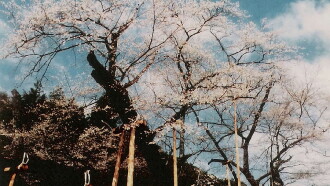
The poignant focal point for this film is a cherry tree that is over 1400 years old. Beginning with the tree, the director then explores the families and environment around the tree.
13 October 1990
The care facilities for the elderly in a small town in Gifu prefecture, and the comparison with the welfare in Denmark, Sweden and Australia.
01 January 1996
In 1982, the socialist researcher Ishidō Kiyotomo organized a round table with women activists who had participated in the rise of the labor movement, from the Taishō era (1912-1925) to the Shōwa era (1926-1989).
18 March 2006
Mayor Iwakawa was voted into office in 1991, promising better welfare for senior citizens. As a result of his efforts to create a town with resident participation, while battling against anti-reform forces of the town council, Takanosu-machi becomes the best welfare town in Japan.
18 April 1992
Documentary film from Japan.
02 June 2007
Documentary on end-of-life care in Japan
23 March 2002
Documentary on pioneer Japanese feminist Hiratsuka Raicho
01 January 1976
TV documentary about the Fukushima Daiichi Nuclear Power Plant and its safety concerns in 1976.
01 January 1968
Haneda employed various cinematic and scientific technic to explore the world of cabbage butterfly, and the result was a completely new type of educational film.
01 January 2012
Sumiko Haneda returns to film what will be the final bits of Akiko Kanda's life, documenting Kanda's will to dance as she struggles with terminal cancer.
29 May 1982
Shot in the foothills of Iwate Prefecture’s mystical Mt. Hayachine, the film records a year in the life of the area’s villages.
24 October 2004
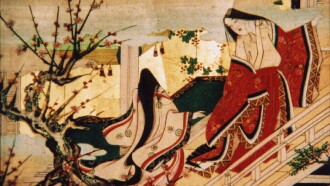
This extraordinary film presents Japanese classical scroll painting as never before. The Yamanaka Tokiwa comprises twelve scrolls painted by Matabei Iwasa some 400 years ago.
26 January 2002
Devotion investigates the extremely complex and heirarchical relationships among a committed group of Japanese filmmakers who dedicated up to 30 years of their lives making films for one man-Ogawa Shinsuke.
08 June 1982
This film depicts the life of the 19th-century Portuguese writer Wenceslau De Moraes by means of nine ancient ballads from China.
01 January 1957
Haneda’s debut as full director, made after four years spent as an assistant, is set in a farming village in Shiga Prefecture (east of Kyoto).
11 June 2011
Haneda Sumiko, documentary filmmaker who was born in Dalian, Manchuria in 1926 and was there to experience the conclusion of the Pacific War.
01 January 1958
Commissioned by the Tokyo National Museum, this film, regarded in some quarters as the masterpiece of Haneda’s Iwanami period, is one of several in which she documented Japan’s ancient and classical artistic treasures.
10 September 1981
Short documentary made for the communities at the foot of Mount Hayachine. Not satisfied with it, Haneda expanded it into what eventually became Ode to Mt.
17 May 1986
Shot in a retirement home over a period of two years, this film raises the question of "how to take care".
03 September 1997
Toru Iwakawa is elected mayor of Takanosu on the platform of improving welfare. With the support of a group formed by residents, he aims to develop a "care town" to stop the isolation of the elderly.