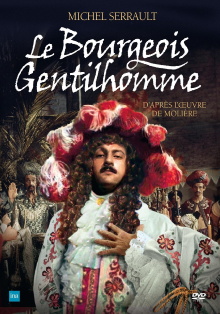
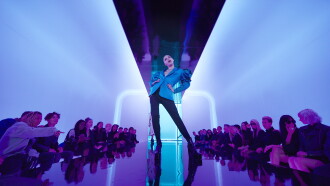
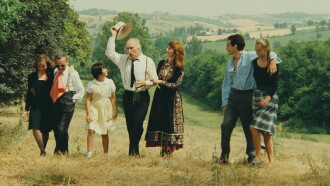
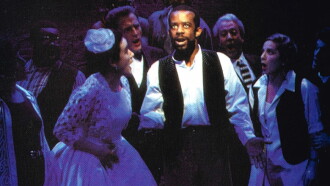
Le Bourgeois gentilhomme satirizes attempts at social climbing and the bourgeois personality, poking fun both at the vulgar, pretentious middle-class and the vain, snobbish aristocracy. The title is meant as an oxymoron: in Molière's France, a "gentleman" was by definition nobly born, and thus there could be no such thing as a bourgeois gentleman.
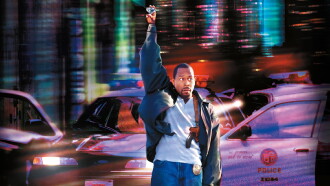
Miles Logan is a jewel thief who just hit the big time by stealing a huge diamond. However, after two years in jail, he comes to find out that he hid the diamond in a police building that was being built at the time of the robbery.
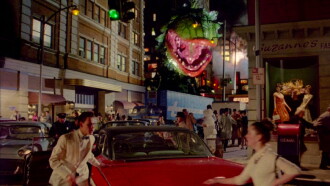
Seymour Krelborn is a nerdy orphan working at Mushnik's, a flower shop in urban Skid Row. He harbors a crush on fellow co-worker, Audrey Fulquard, and is berated by Mr.
A gay cabaret owner and his drag queen partner agree to put up a false heterosexual front so that their son can introduce them to his fiancée's conservative parents.
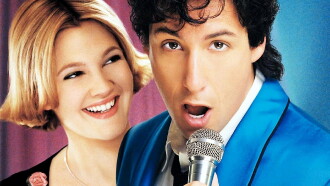
Robbie, a local rock star turned wedding singer, is dumped on the day of his wedding. Meanwhile, waitress Julia finally sets a wedding date with her fiancée Glenn.
Arnaud, facing an uncertain future and a dearth of choices in a small French coastal town, meets and falls for the apocalyptic-minded Madeleine, who joins an army boot camp to learn military and survival skills to prepare for the upcoming environmental collapse.
Set in modern upper-crust Manhattan, an exploration of love and commitment as seen through the eyes of a charming perpetual bachelor questioning his single state and his enthusiastically married, slightly envious friends.
Popular movie trailers from 1968
These some of the most viewed trailers for movies released in 1968:
Documentary by Juan Francisco de Lasa about a pioneer of Spanish cinema. Gelabert attended one of the first sessions of the Lumière's cinématographe in Barcelona.
A young couple, Rosemary and Guy, moves into an infamous New York apartment building, known by frightening legends and mysterious events, with the purpose of starting a family.
Two young boys, play hooky from school in order to explore an ultramodern world's fair. They take in the many marvelous scientific and industrial exhibits, obtain literature, eat food, and generally run amok.