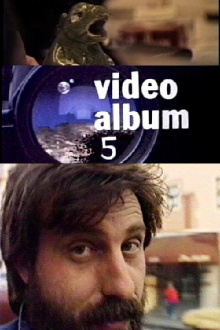
The comings and goings of the late underground filmmaker, Curt McDowell—and the people and activities that came and went along with him—are the themes that run through this existential diary of daily life. McDowell was dying from AIDS-related illnesses during the production of the diary. “An elegy for McDowell, the videowork captures Kuchar’s mournful remembrances of his long-lasting friendship with the young filmmaker. But it also has the inquisitive charm, perverse humor, and quirky candor that places Kuchar’s visual expressions in a gritty niche all their own.”
A compilation of over 30 years of private home movie footage shot by Lithuanian-American avant-garde director Jonas Mekas, assembled by Mekas "purely by chance", without concern for chronological order.
This short, started early on into sobriety, finished about nine months in, is a collage of diaries and notes, collected from within addiction and into recovery.
Also known as Walden, Jonas Mekas’s first diary film is a six-reel chronicle of his life in 1960s New York, interweaving moments with family, friends, lovers, and artistic idols.
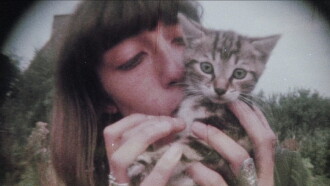
Maria Lang is my very close filmmaker friend who lives in the southern german countryside. We see her gardening and visiting an exhibition of female impressionist painters.
For years, together with his partners from the production company O Quadro, he has been betting on cinema as a tool to explore the typical issues of youth.
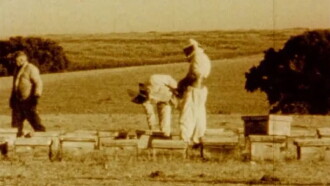
A filmed diary which chronicles two visits to the Olivas, a family of Spanish beekeepers from Salamanca, at the time of the honey harvest, in August and September.
Popular movie trailers from 1987
These some of the most viewed trailers for movies released in 1987:
It's the most exciting moment of the year: Easter night and little Mimosa birthday. Muskotti, her mother, has such a bad memory that she doesn't know how old Mimosa is.
Compared to the film "Lupus" Catch me, I'll tell you" Lupus' entourage is more depicted. But just like the previous film, this film is still a combination of humor that stems from the mischief of Lupus et al.
Expecting the usual tedium that accompanies a summer in the Catskills with her family, 17-year-old Frances 'Baby' Houseman is surprised to find herself stepping into the shoes of a professional hoofer—and unexpectedly falling in love.
Ash Williams and his girlfriend Linda find a log cabin in the woods with a voice recording from an archeologist who had recorded himself reciting ancient chants from "The Book of the Dead.
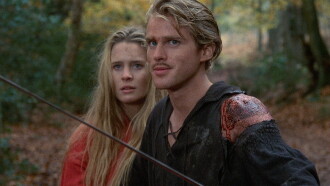
In this enchantingly cracked fairy tale, the beautiful Princess Buttercup and the dashing Westley must overcome staggering odds to find happiness amid six-fingered swordsmen, murderous princes, Sicilians and rodents of unusual size.
A dramatic history of Pu Yi, the last of the Emperors of China, from his lofty birth and brief reign in the Forbidden City, the object of worship by half a billion people; through his abdication, his decline and dissolute lifestyle; his exploitation by the invading Japanese, and finally to his obscure existence as just another peasant worker in the People's Republic.
A young woman marries a rich man and begins a new life in a little town in the Spain of the 20s. Feeling trapped and bored, she begins a relationship with her husband's stepbrother.
Comments
Have you watched Video Album 5: The Thursday People yet? What did you think about it?