One of America's most influential fiction writers, Nobel Prize winner William Faulkner set most of his novels in the imaginary Yoknapatawpha County, Miss., creating vivid characters and exploring the Southern past and race relations in works such as The Sound and the Fury, As I Lay Dying and Absalom, Absalom! Through period documents and other archival material, this program traces the life and writing of the quintessentially American author.
Denys Colomb de Daunant (1922 - 2006) is a writer, poet, photographer and filmmaker known for being the author and co-writer of the film Crin-Blanc (1952) directed by Albert Lamorisse.
In the background is a row of three-masted sailing ships, at anchor, their sales furled. In the foreground, a simple pier that's more like a yardarm juts out above the water; about 15 boys of six or seven years of age are on the jutting wood, and they jump off into the water below.
The film shows a parade down Fifth Avenue, New York. In the foreground many children, both black and white, can be seen following alongside the parade.
They set off, looking for work in far-off places, but disappeared along the way. Inspired by Shiv Kumar Batalvi’s “birha” poetry, the film traces the longing on both sides: on the part of those who are missing, and those that wait for them to return.
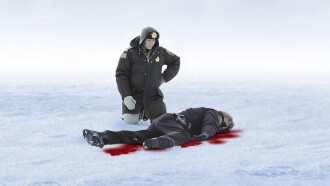
Jerry, a small-town Minnesota car salesman is bursting at the seams with debt... but he's got a plan. He's going to hire two thugs to kidnap his wife in a scheme to collect a hefty ransom from his wealthy father-in-law. It's going to be a snap and nobody's going to get hurt... until people start dying. Enter Police Chief Marge, a coffee-drinking, parka-wearing - and extremely pregnant - investigator who'll stop at nothing to get her man. And if you think her small-time investigative skills will give the crooks a run for their ransom... you betcha!
When Ethan Hunt, the leader of a crack espionage team whose perilous operation has gone awry with no explanation, discovers that a mole has penetrated the CIA, he's surprised to learn that he's the prime suspect.