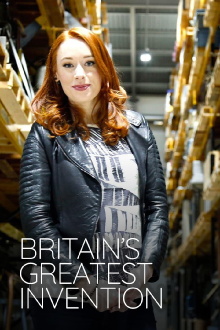
BBC Two takes us inside the world's biggest invention time capsule - the Science Museum vaults - and asks the nation to vote for Britain's Greatest Invention.
Watch the official Britain's Greatest Invention 2017 trailer in HD below.
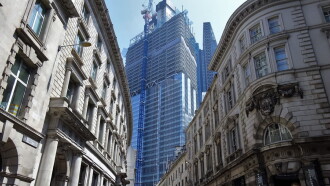
At the demise of empire, City of London financial interests created a web of offshore secrecy jurisdictions that captured wealth from across the globe and hid it behind obscure financial structures in a web of offshore islands.
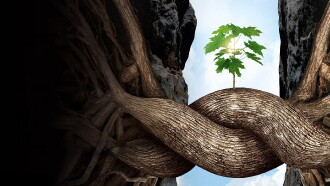
Trees talk, know family ties and care for their young? Is this too fantastic to be true? German forester Peter Wohlleben and scientist Suzanne Simard have been observing and investigating the communication between trees over decades.
Guyanese painter Aubrey Williams (1926-1990) returns to his homeland on a “journey to the source of his inspiration” in this vivid Arts Council documentary, filmed towards the end of his life.
Actual footage by the United States Signal Corps of the landing and attack on Arawe Beach, Cape Glouster, New Britain island in 1943 in the South Pacific theatre of World War Two, and the handicaps of the wild jungle in addition to the Japanese snipers and pill-box emplacements.
The alarm clock. The personal computer. The smartphone. The radio. You know the greatest gadgets of all time (and you’ve probably owned most of them), but which has changed the world more than any other? To make our list of 101, a gadget had to be something you could hold in your hands, mechanical or electronic, and a mass-produced personal item.
Professor Alice Roberts discovers which are Britain's most popular fresh foods and uses the latest science to uncover the surprising health benefits of our favourite foods.
After Hurricane Katrina, New Orleans handyman and blues singer-songwriter Gabe Recolte was bereft. Left homeless and heartbroken, he had been forced to evacuate and relocate before he could tell club owner Hattie how much he cares for her.
There is a dark job in the world that is blind to the public. Corpse cleaning, organ and human trafficking, revenge agency, experimental animal carcasses disposal, pension exploitation facility, etc.
The short documentary film-"tesaer" (later, based on the material, the director will shoot a full-length film) is based on the fate of the Floriculture Pavilion of the former Exhibition of Achievements of the People's Economy, and its elderly employee Valentyna Voronina, who maintains this space, investing her own life into it, until suddenly changes come to her.
The Near East Foundation, known initially as Near East Relief, spearheaded this first great mobilization of international humanitarian assistance in the United States, in September 1915, in response to the Armenian Genocide.
In the summer of 1976, a shared family yard becomes the setting, as the adults bicker over selling the garden and the kids are free to explore the mysterious neighboring lot.








![Curse [Noroie] House Trailer](https://media.movieassets.com/static/images/items/movies/backdrops/330/90/curse-noroie-house-b1b45fbb6bf111fafb47597731c320ea.jpg)