Sid Ali Mazif Trailers
Huria TrailerI Exist TrailerLeila and the Others Trailer
Sid Ali Mazif (سيد علي مزيف), is an Algerian director, born in 1943 in Algiers.
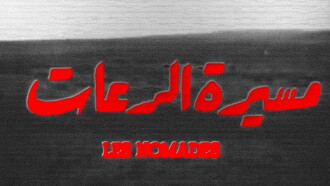
After starting as an assistant on the set of Twenty Years in Algiers by Marc Sator, Sid Ali Mazif studied at the Ben Aknoun National Cinema Institute, near Algiers. As part of his training, he made his first short films between 1965 and 1966. He then joined the future ONCIC for which he shot documentaries such as La Cueillette des Oranges and Le Paludisme en Algérie (1967). He also collaborated on two important collective films of Algerian cinema: Hell at Ten Years (1968) on the experience of children during the war of liberation and Récits de la Révolution (1970). His first feature film, Black Sweat tells the story of the repression of a miners' strike during colonialism. Les Nomades (1975) addresses the delicate problem of the necessary sedentarization of tribes.
Since Leila and the Others (1977), Sid Ali Mazif has campaigned, through his films, for the improvement of the condition of women in his country.

Most Popular Sid Ali Mazif Trailers
Total trailers found: 8
02 January 1977
The story of Algerian women trying to live in 1970s Algeria where the society is between conservative values and progressive modern Algeria.
02 January 1968
This film was considered a testing ground for young O.N.C.I.C. directors. Today there is no longer a copy and the negative was accidentally destroyed.
02 January 1971
During French colonization, a young Algerian boy is expelled from the French high school where he is able to study thanks to his father's position in the village.
02 January 1972
Collectively made Algerian film.
02 January 1986
In the city of Constantine, the thwarted love affair of two students: Houria, fatherless, from a poor and traditional background, and Noureddine, son of a wealthy family influenced by Western lifestyle.
02 January 1969
The film recounts in three parts by three different directors the Algerian people's struggle for independence after 130 years of French colonization: Ahmed Bedjaoui "Les Fedayines," Rabah Laradji "La Bombe," Sid Ali Mazif "Le Messager.
02 January 1976
When their father dies, three nomadic sons choose different voices. The first part for the city, the second tries to live as its ancestors develop and the third integrates one of the new agricultural cooperations.
02 January 1982
Composed of three parts, this montage film addresses all aspects relating to the role of women in Algerian society: their ambitions, the role of the State and the help of organizations that were created during the struggle for female emancipation.